Summarizing large amounts of information can be time-consuming and challenging. This guide provides a comprehensive overview of the consolidate feature, designed to streamline the process of merging multiple summaries into a single, cohesive document. Understanding the feature’s capabilities and limitations will empower you to effectively utilize this tool for various summary types.
From understanding the fundamental principles of consolidation to mastering advanced techniques, this guide will equip you with the knowledge and practical steps needed to successfully leverage the consolidate feature for your specific needs. The clear explanations and practical examples will help you to confidently navigate the consolidation process.
Understanding the Consolidate Feature
The consolidate feature for summaries provides a powerful tool to streamline and refine the information presented. It allows users to combine multiple summaries into a single, comprehensive document, eliminating redundancy and ensuring a more cohesive narrative. This feature is particularly valuable when dealing with a large volume of information that needs to be synthesized into a concise and coherent overview.
Definition of the Consolidate Feature
The consolidate feature for summaries is a function designed to merge multiple individual summary documents into a single, unified summary. This process involves identifying overlapping or similar information across the input documents and incorporating it into a cohesive output. It effectively distills the essence of each summary into a single, comprehensive document.
Purpose and Benefits
The purpose of the consolidate feature is to create a more concise and efficient representation of information. This approach is particularly beneficial when dealing with extensive data sets, as it significantly reduces the volume of material while retaining the key insights. Benefits include increased efficiency in information processing, improved comprehension, and reduced cognitive load. By synthesizing multiple sources, the consolidated summary provides a more complete and nuanced understanding of the subject matter.
Typical Use Cases
The consolidate feature finds widespread application in various scenarios. A common use case involves consolidating multiple research reports or academic papers on a specific topic to create a comprehensive literature review. Another frequent use case is in business settings, where consolidating different departmental reports allows for a unified view of performance and progress. Furthermore, consolidating multiple news articles or social media posts on a trending topic can provide a more complete picture of public sentiment and discussion.
Flowchart of the Consolidation Process
The process of using the consolidate feature typically follows a straightforward workflow. First, the user selects the summaries to be consolidated. Next, the system identifies overlapping information and similar themes within the chosen summaries. Finally, the system integrates these elements into a single, unified summary, providing a streamlined and coherent output.
Types of Summaries That Can Be Consolidated
Various types of summaries can be consolidated, depending on the specific requirements and the nature of the information. These include:
- Research summaries: Combining summaries from multiple research papers, academic articles, or reports.
- Business summaries: Consolidating summaries from various departmental reports, market analysis, or financial projections.
- News summaries: Combining summaries from multiple news articles or social media posts on a specific event or topic.
- Meeting summaries: Consolidating summaries from various meeting participants or different meeting sessions.
The consolidation process can be applied to a wide range of summary types, enabling users to synthesize diverse information sources into a cohesive and streamlined overview.
Input Requirements and Formats

The consolidate feature facilitates the merging of various data sources into a unified summary. Proper input formatting is crucial for accurate and efficient consolidation. This section details the necessary input formats, examples, and limitations to ensure successful data integration.The consolidate feature is designed to accept diverse data types and formats, enabling users to efficiently consolidate information from different sources.
Adhering to the Artikeld input requirements will guarantee the successful processing and accurate amalgamation of data.
Input Data Types
This section details the different data types that can be consolidated using the feature. The feature supports a wide array of data types, ensuring versatility and applicability across various scenarios.
- Numerical data (e.g., sales figures, temperatures, stock prices): The feature can handle various numerical formats, including integers, decimals, and scientific notations.
- Textual data (e.g., descriptions, reports, articles): The feature supports different text formats, including plain text, rich text, and formatted documents.
- Dates and times (e.g., event schedules, project deadlines): The feature accommodates different date and time formats, ensuring accurate data processing.
- Categorical data (e.g., product types, customer segments): The feature supports various categorical formats, such as lists or predefined categories.
- Boolean data (e.g., true/false, yes/no): The feature processes boolean data accurately.
Input File Types
This section describes the acceptable file types for input into the consolidate feature. The feature supports a variety of file types, providing flexibility and accommodating different data storage formats.
- CSV (Comma Separated Values): This is a widely used format for tabular data. Consistent delimiters (e.g., commas, tabs) are vital.
- JSON (JavaScript Object Notation): This format is often used for structured data exchange. Properly formatted JSON objects are required for accurate parsing.
- XML (Extensible Markup Language): This structured format is also supported. Well-formed XML documents are essential for successful processing.
- PDF (Portable Document Format): The feature supports extracting data from PDFs containing structured information, although the extraction accuracy may vary based on the document’s format.
Importance of Consistent Formatting
Maintaining consistent formatting across all input data is critical for successful consolidation. Inconsistent formatting can lead to errors in data processing and inaccurate summaries.
“Consistent formatting ensures that the feature can accurately identify and interpret data points, leading to precise consolidation results.”
This consistency is paramount, as it directly impacts the feature’s ability to correctly match and combine relevant data points. The feature relies on consistent patterns and structures to effectively consolidate information.
Limitations of the Consolidate Feature
This section Artikels the limitations of the consolidate feature regarding input formats. These limitations should be considered when preparing data for consolidation.
- Complex or poorly structured data: Data with complex layouts or inconsistent formatting might not be easily consolidated.
- Large datasets: Consolidating exceptionally large datasets might require specific optimization strategies, which may not be fully supported.
- Non-standard formats: Formats that significantly deviate from standard formats may not be supported.
- PDFs with complex layouts or images: PDFs with extensive image content or complex tables may have limited support and lower accuracy.
Methods for Using the Consolidate Feature
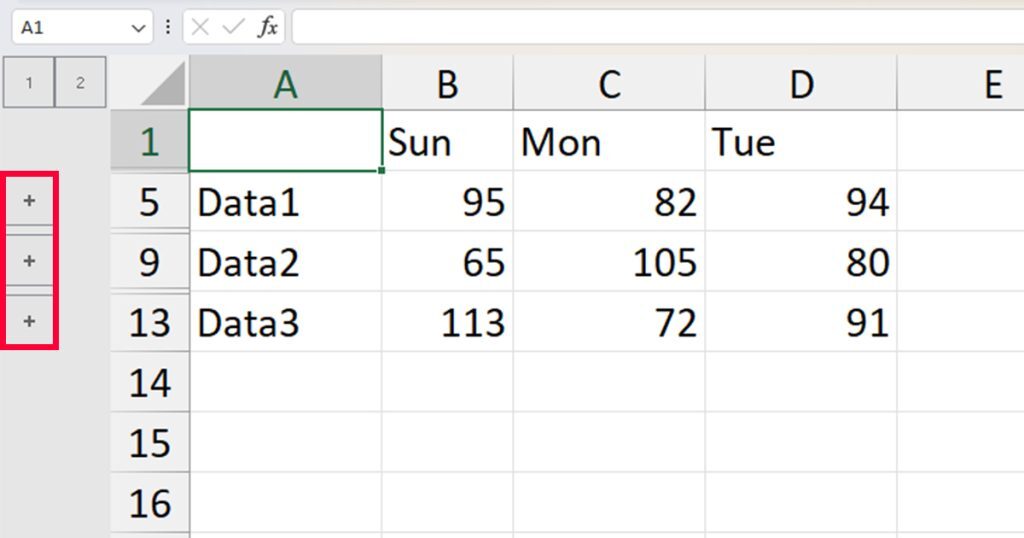
The consolidate feature offers a streamlined approach to combining multiple summaries into a single, comprehensive document. This efficient process allows users to synthesize information from various sources, reducing redundancy and enhancing the overall clarity of the consolidated output. This section details the step-by-step procedures and various methods for achieving this.Effective consolidation requires careful consideration of the different data types within the summaries and choosing the most suitable method for each.
This approach ensures a cohesive and well-organized final document.
Step-by-Step Procedures for Consolidation
To utilize the consolidate feature effectively, follow these steps:
- Gather all the summaries you intend to combine. Ensure the summaries are in a format compatible with the consolidate feature.
- Select the consolidate feature from the available tools. This typically involves clicking a designated button or menu option.
- Input the summaries into the designated input fields. Pay close attention to any formatting requirements.
- Select the consolidation method that best suits the nature of the data. The consolidation method will dictate how the summaries are combined.
- Review the consolidated summary for accuracy and completeness. Make any necessary adjustments to ensure the final product aligns with the desired outcome.
Methods for Combining Summaries
The consolidation methods vary based on the type of data being combined. The key is to select the method that maintains the integrity and structure of the original data while creating a cohesive whole.
- Concatenation: This method is ideal for combining textual summaries. It simply joins the different text blocks together, creating a single, uninterrupted text. This is useful when you want to preserve the original flow of the summaries without modification.
- Merging: For lists and other structured data, merging is a superior approach. It involves combining similar items from different summaries, creating a unified, comprehensive list. Duplicate items are usually removed during the process, ensuring the final list is concise and accurate.
Comparison of Consolidation Approaches
Different consolidation methods have distinct advantages and disadvantages.
- Concatenation preserves the original context of each summary, but might result in redundancy if the summaries overlap significantly. It’s most suitable for summaries with largely independent content.
- Merging is effective for data that can be organized into a structured format. This method offers a concise summary while eliminating duplicate data. It is best suited for summaries that contain similar data elements, like lists of s or characteristics.
Organizing Consolidated Summaries
The consolidation process should be organized to maintain a clear workflow. Follow these steps:
- Identify the purpose of the consolidation effort.
- Choose the appropriate method for each data type.
- Ensure the output format meets your requirements.
- Review the consolidated summary thoroughly.
Consolidating Various Data Types
The following table illustrates different methods for consolidating various data types:
| Data Type | Method | Example | Result |
|---|---|---|---|
| Text | Concatenation | Combine multiple paragraphs of summary text. | Single, unified text block. |
| Lists | Merging | Combine similar lists of s or characteristics. | Single, comprehensive list. |
| Tables | Merging/Concatenation (depending on structure) | Combine multiple tables with the same columns. | Single table with combined rows. |
Output Formats and Options
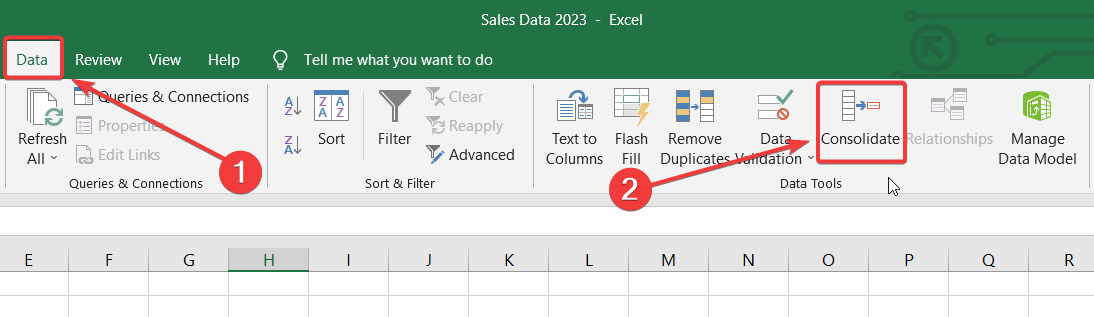
Consolidated summaries, by their nature, require flexible output formats to accommodate diverse needs and applications. This section details the available output formats for consolidated summaries, along with customization options and the process for choosing them. Understanding these options empowers users to tailor the presentation of their consolidated information to their specific use case.This section describes the different ways consolidated summaries can be presented, from simple text formats to more complex structured outputs.
It also addresses the degree of control users have over the final appearance of the summary, enabling them to tailor the output to their specific requirements.
Available Output Formats
Various output formats are supported, each with unique characteristics and intended uses. These formats allow users to adapt the consolidated summaries to different platforms and applications. The choice of format depends on the intended use of the summary, the target audience, and the desired level of detail.
- Plain Text: This is the simplest format, suitable for basic summarization and data extraction. It renders the summary as unformatted text, ideal for use in text editors or as input to other applications requiring plain text input. This format is particularly helpful for situations requiring straightforward summarization and subsequent analysis or processing.
- HTML: This format allows for structured presentation with formatting options, such as bolding, italics, and headings. HTML summaries can be displayed in web browsers, offering better readability and visual appeal for online presentations and reports. The inclusion of headings, paragraphs, and lists enhances the clarity and accessibility of the summary for a broader audience.
- JSON: This format uses key-value pairs to structure data. It is ideal for applications requiring structured data and easy integration with programming languages and APIs. It is often used in situations where the data needs to be processed programmatically, or where the structure of the data is critical.
- CSV (Comma Separated Values): This format is a simple text-based format used for representing tabular data. It is commonly used for importing and exporting data from spreadsheets and databases. It’s a suitable format when you need to import or export the summary data into other applications or for creating reports with tabular data.
Examples of Output Formats
To illustrate the different formats, consider a summary of a news article about a company’s quarterly earnings report.
- Plain Text Example: “Company XYZ reported strong Q3 earnings, exceeding analyst expectations. Revenue increased by 15% year-over-year.”
- HTML Example:
<html>
<body>
<h2>Company XYZ Q3 Earnings Summary</h2>
<p>Company XYZ reported  strong Q3 earnings, exceeding analyst expectations. Revenue increased by  15% year-over-year.</p>
</body>
</html>
This example showcases the structure and formatting capabilities of HTML. It presents the summary with a heading and a paragraph, emphasizing key elements with bold formatting.
- JSON Example:
"Company": "XYZ",
"Quarter": "Q3",
"RevenueGrowth": "15%",
"Earnings": "Exceeded Expectations"
This example demonstrates the structured data representation using key-value pairs, suitable for data processing and integration.
- CSV Example:
Company,Quarter,RevenueGrowth,Earnings
XYZ,Q3,15%,Exceeded Expectations
This format represents data in a tabular structure, allowing easy import into spreadsheets.
Customization Options
The degree of customization available depends on the chosen output format. Plain text offers limited formatting, while HTML and JSON provide more extensive options.
Level of Customization
The level of customization for output formatting varies depending on the chosen format. Plain text provides minimal control, while HTML allows for more extensive customization, enabling users to create visually appealing reports. JSON’s customization revolves around the structure and data points included, allowing a flexible but structured format.
Choosing and Applying Output Formatting Options
The process for selecting and applying output formatting options involves identifying the desired format based on the intended use and then selecting the corresponding formatting options within the chosen tool or application. The specific steps will vary based on the chosen tool, but generally involve configuring settings within the summary generation software.
Troubleshooting and Error Handling
Troubleshooting potential issues during the consolidation process is crucial for ensuring accurate and reliable results. Effective error handling allows users to identify and resolve problems swiftly, minimizing delays and maximizing the efficiency of the consolidation process. This section details common errors, their causes, and methods for resolving them.
Proper error handling is vital to the success of the consolidation process. By understanding the potential issues and their solutions, users can maintain data integrity and ensure the accuracy of the final consolidated output.
Potential Errors and Solutions
Understanding the potential errors that can arise during consolidation is essential for smooth operation. This section provides a comprehensive overview of common errors, their descriptions, and corresponding solutions.
| Error | Description | Solution |
|---|---|---|
| Format Mismatch | Input data does not conform to the expected format specifications. This can include discrepancies in delimiters, data types, or overall structure. | Verify that the input data adheres to the prescribed format. Consult the input format specifications provided for the consolidation process. Ensure consistent formatting, including data types and delimiters, for all input data sources. Use tools to validate the format of each data source if available. If the input format is incorrect, correct it and re-run the consolidation process. |
| Data Inconsistency | Inconsistent data types or values across different data sources. For example, a column might contain a mix of numerical and string values, or dates might be formatted inconsistently. | Identify and correct the inconsistencies. Data cleaning and validation procedures should be implemented to ensure consistency across all input data sources. Utilize data transformation tools to standardize data types and formats. If possible, identify the source of the inconsistency and resolve it at the data source level. |
| Missing Data | Critical data elements are absent from one or more input files. | Identify the missing data and determine the appropriate course of action. Consider whether the missing data is critical to the consolidation process and whether the input files should be completed or excluded from the consolidation. If the missing data is not crucial, exclude the affected data from the consolidation. If the missing data is crucial, attempt to obtain the missing data from the original source. |
| File Access Issues | Problems accessing or reading input files, such as permission errors, file corruption, or network issues. | Ensure that the user has appropriate permissions to access the input files. Verify that the files are not corrupted. If network issues are present, troubleshoot the network connection. If necessary, contact IT support for assistance. |
| Invalid Input Values | Input data contains values that are not valid within the context of the consolidation process. Examples include values outside of a defined range, or characters that are not allowed. | Identify the invalid input values and correct them. Implement data validation rules to prevent invalid values from entering the consolidation process. Review the data dictionary and specifications to determine the acceptable values. Use data validation tools to identify invalid values. |
Advanced Techniques and Considerations
Advanced techniques for consolidating complex summaries involve strategic approaches beyond basic merging. These techniques enhance the accuracy, conciseness, and overall quality of the consolidated summaries, addressing specific nuances of the input data. Proper understanding and application of these techniques are crucial for obtaining optimal results.
Consolidation of complex summaries requires a thoughtful consideration of the various input data sources and their interdependencies. This includes recognizing potential conflicts, redundancies, and inconsistencies within the input data. A systematic approach, incorporating both automated and manual steps, is beneficial for effective consolidation.
Advanced Consolidation Strategies
Consolidating summaries effectively requires a strategy tailored to the type of information being combined. Different consolidation strategies cater to varying data characteristics and objectives.
- Hierarchical Consolidation: This strategy is particularly useful for nested or hierarchical summaries. It involves identifying the main themes and sub-themes within the input data. Sub-summaries are then consolidated into their respective parent summaries, maintaining the hierarchical structure. For instance, if summarizing research papers within a specific field, hierarchical consolidation can group related papers into broader categories, creating a more comprehensive and structured summary.
- Comparative Consolidation: This strategy focuses on contrasting and comparing summaries. By highlighting similarities and differences, this method allows for a more nuanced and insightful understanding of the subject matter. For instance, comparing reviews of the same product from different sources can provide a more comprehensive understanding of the product’s strengths and weaknesses.
- Weighted Consolidation: This technique is essential when dealing with summaries that have varying levels of importance or reliability. Weights are assigned to each summary, reflecting its relative contribution to the overall understanding. For instance, a summary from a renowned expert in the field might be assigned a higher weight than a summary from a less credible source.
Best Practices for Utilizing the Consolidate Feature
Adhering to best practices during the consolidation process is paramount for achieving accurate and meaningful results.
- Data Validation: Thoroughly validating the input data before consolidation is crucial. This includes checking for inconsistencies, errors, and redundancies within the individual summaries. This prevents errors from propagating to the consolidated summary. Consistent data formats and units should be ensured for accurate comparisons.
- Contextual Understanding: A deep understanding of the context surrounding the summaries is essential. Considering the source, author, and purpose of each summary is vital for determining its significance and relevance. This ensures that the consolidated summary reflects the nuances and subtleties of the original summaries.
- Iterative Refinement: The consolidation process should be iterative. Regular reviews and refinements of the consolidated summary are crucial for ensuring accuracy and completeness. Feedback loops allow for adjustments based on the ongoing analysis of the consolidated output.
Integration with Other Tools
The consolidate feature can be integrated with other tools to enhance its functionality and broaden its application.
- Natural Language Processing (NLP) Tools: Integrating the consolidate feature with NLP tools can improve the accuracy and efficiency of the consolidation process. NLP tools can identify key phrases, relationships, and themes within the summaries, assisting in the consolidation process.
- Database Systems: Connecting the consolidate feature to database systems allows for the efficient storage and retrieval of consolidated summaries. This can streamline the workflow and provide a central repository for the consolidated data.
- Visualization Tools: Integration with visualization tools can create interactive representations of the consolidated summaries, providing insights and trends that might be missed in a textual format. This enhances the understanding and comprehension of the data.
Limitations and Drawbacks
The consolidate feature, while powerful, has inherent limitations and potential drawbacks.
- Data Dependency: The accuracy of the consolidated summary depends heavily on the quality and consistency of the input summaries. Inconsistent or incomplete summaries can lead to inaccurate or incomplete consolidated outputs.
- Computational Complexity: Consolidating large numbers of complex summaries can be computationally intensive. The time and resources required for the process should be considered.
- Bias and Subjectivity: The consolidation process can inadvertently reflect biases present in the input summaries. This can be mitigated by carefully considering the sources and employing techniques to minimize bias.
Comparison of Consolidation Strategies
Different consolidation strategies are appropriate for various types of summaries.
| Summary Type | Best Consolidation Strategy | Rationale |
|---|---|---|
| Hierarchical Summaries | Hierarchical Consolidation | Maintains the hierarchical structure of the summaries |
| Comparative Summaries | Comparative Consolidation | Highlights similarities and differences |
| Summaries with Varying Importance | Weighted Consolidation | Accounts for the varying importance of summaries |
Conclusion

In conclusion, the consolidate feature offers a powerful solution for efficiently managing and synthesizing various summary types. By mastering the input requirements, utilizing the different consolidation methods, and understanding the output options, you can significantly enhance your workflow. This guide has provided a structured approach to leveraging the feature’s capabilities, ensuring a smooth and efficient summary consolidation process. Troubleshooting steps and advanced techniques further enhance the practical application of this tool.