Harness the power of scenario planning to anticipate potential outcomes and make informed decisions. This comprehensive guide, How to Create Scenarios with the Scenario Manager, walks you through the process, from initial setup to advanced techniques and insightful reporting. Understanding how to effectively use scenario managers can significantly improve strategic planning and resource allocation.
The Scenario Manager offers a structured approach to exploring various possibilities. This guide covers everything from basic scenario creation and data management to advanced techniques like sensitivity analysis and conditional scenarios. We will delve into practical examples and best practices to help you effectively leverage the Scenario Manager for your needs.
Introduction to Scenario Manager
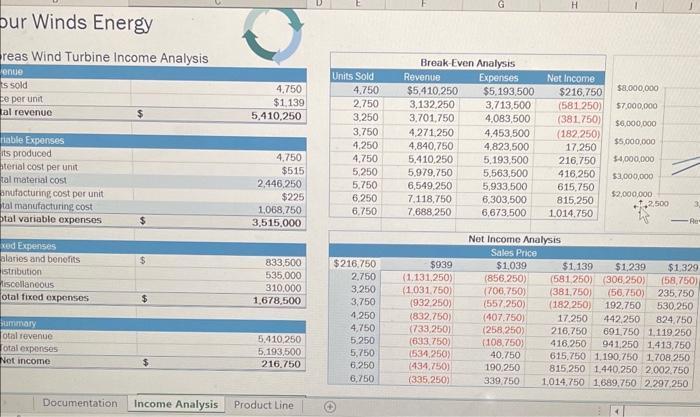
A Scenario Manager is a structured framework for developing and analyzing different potential future outcomes. It allows users to explore various possibilities by systematically varying key assumptions and their impacts. This approach is particularly useful in complex situations where uncertainty plays a significant role, enabling a proactive and informed decision-making process.The purpose of a Scenario Manager is to proactively anticipate potential future situations, enabling organizations to prepare for various outcomes.
By analyzing different scenarios, organizations can identify potential risks, opportunities, and vulnerabilities, ultimately leading to more robust and adaptable strategies. The benefits include improved preparedness, enhanced decision-making, and increased resilience.
Typical Use Cases
Scenario Managers are valuable tools across diverse industries and applications. Common use cases include strategic planning, risk management, and operational analysis. For example, a manufacturing company might use a scenario manager to assess the impact of fluctuating raw material prices on their production costs. Similarly, a financial institution might use it to evaluate different economic scenarios and their effect on loan portfolios.
High-Level Overview of the Scenario Creation Process
Creating scenarios typically involves several steps. Firstly, defining the key variables and their potential ranges is crucial. This step often requires gathering input from experts in relevant fields. Secondly, developing the different scenarios involves combining different variable values to represent the diverse potential outcomes. Finally, analyzing the results of each scenario allows the organization to assess the potential consequences of each possibility.
Core Components of a Scenario
A well-defined scenario consists of several key components.
| Component | Description |
|---|---|
| Variables | These are the factors that can influence the outcome. Examples include market share, economic growth, and competitor actions. |
| Assumptions | These are the specific values assigned to the variables, representing the anticipated future conditions. For example, an assumption might be that market share will decline by 10% in the next quarter. |
| Metrics | These are the key performance indicators used to measure the impact of the scenario. Examples include revenue, profitability, and customer satisfaction. |
| Outcome | This describes the predicted results based on the combined assumptions and variables. For instance, a scenario might predict a 15% reduction in revenue if market share declines by 10%. |
| Context | This provides background information, including historical data and relevant external factors. This crucial aspect provides a foundation for informed assumptions. |
Creating Basic Scenarios
Creating scenarios is a crucial step in strategic planning and decision-making. Understanding how to build basic scenarios provides a framework for exploring potential futures and evaluating various options. By defining variables, parameters, and assumptions, organizations can gain valuable insights into the potential impacts of different choices.
Steps in Creating a Basic Scenario
Defining the steps involved in building a basic scenario provides a structured approach to exploring different possibilities. This process begins with identifying the key factors influencing the outcome, which are often interconnected and influence one another.
- Identify Key Variables: Start by recognizing the crucial factors that drive the scenario. These variables can include market trends, technological advancements, competitor actions, or regulatory changes. For example, in a business context, variables might include sales growth, customer acquisition costs, and product pricing.
- Define Variable Ranges: Establish realistic ranges for each identified variable. This step is crucial for exploring a spectrum of possibilities. For instance, sales growth might range from 5% to 15%, reflecting optimistic and pessimistic projections.
- Establish Relationships Between Variables: Understand how different variables interact and influence one another. For example, increased advertising expenditure could lead to higher customer acquisition, which in turn could impact sales growth.
- Develop Potential Outcomes: Based on the defined variables and relationships, Artikel possible outcomes. This involves considering different combinations of variable values and their resulting impacts. The possible outcomes are often grouped to define the scenario.
Defining Variables Within a Scenario
Defining variables within a scenario involves specifying their values and how they interact. Clear definitions ensure that the scenario accurately reflects the potential realities.
- Specific Variable Values: Assign specific values or ranges to each variable to represent potential outcomes. For instance, a variable like “market share” could be set to 20%, 30%, or 40%. This allows for the creation of different scenarios based on varying market share projections.
- Data Sources: Identify reliable data sources to support variable values and relationships. Market research reports, financial statements, and industry analysis are often used as sources of data.
- Variable Interactions: Analyze how variables influence each other. This could be a simple linear relationship, a complex non-linear relationship, or a combination of both. Understanding these interactions is crucial for accurate scenario development.
Setting Up Parameters for Scenario Testing
Parameters are crucial for testing scenarios, enabling the evaluation of different options under specific conditions. The parameters used in the testing phase help to evaluate the results against various possible future scenarios.
- Defining Testing Parameters: Establish parameters that govern the scenario testing process. These could include time horizons, key performance indicators (KPIs), and external factors.
- Testing Data Sets: Develop data sets to test the scenarios against. This could include different market conditions, economic factors, and competitive activities.
- Benchmarking Scenarios: Compare the results of different scenarios against a baseline or benchmark. This helps to evaluate the potential impact of various choices.
Creating Scenarios with Different Assumptions
Creating scenarios with varying assumptions allows for a comprehensive exploration of potential futures. Different assumptions can lead to significantly different outcomes.
- Optimistic Assumptions: Develop scenarios based on favorable outcomes. This can involve assuming positive market trends, successful product launches, or reduced competition.
- Pessimistic Assumptions: Explore scenarios based on unfavorable outcomes. This could involve assuming negative market trends, unsuccessful product launches, or increased competition.
- Neutral Assumptions: Establish scenarios based on a neutral or expected outcome. This provides a baseline for comparison and a realistic assessment of potential outcomes.
Examples of Basic Scenario Types
The following table presents examples of basic scenario types.
| Scenario Type | Description | Assumptions |
|---|---|---|
| Best-Case | Represents the most favorable outcome. | Positive market trends, successful product launches, reduced competition. |
| Worst-Case | Represents the least favorable outcome. | Negative market trends, unsuccessful product launches, increased competition. |
| Base Case | Represents the most likely outcome. | Neutral market trends, moderate product performance, average competition. |
Advanced Scenario Techniques
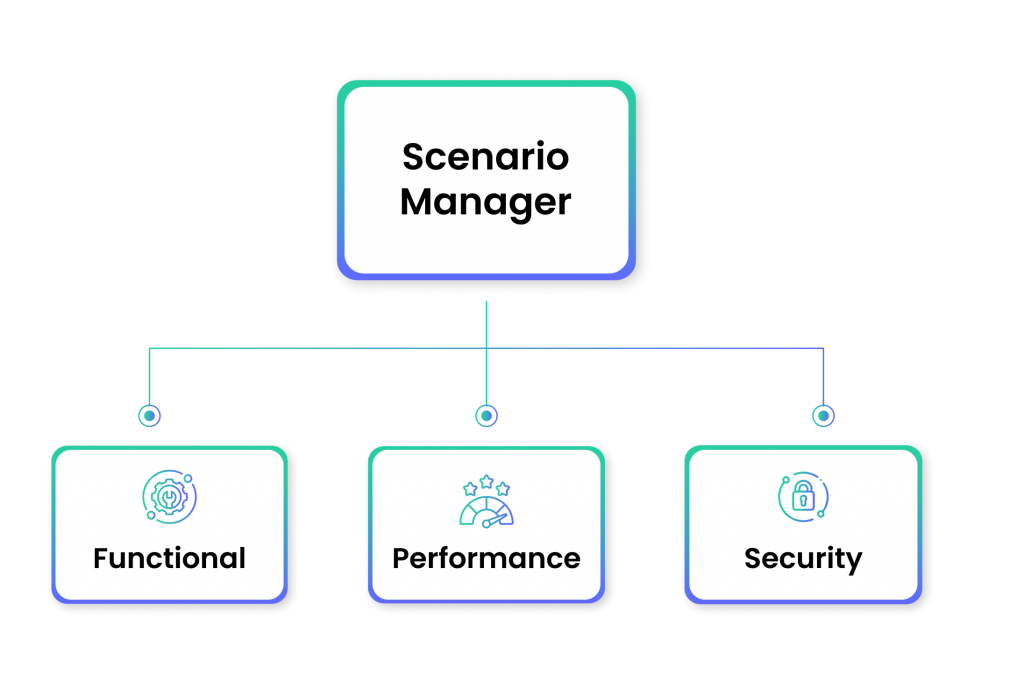
Scenario creation extends beyond basic configurations. Advanced techniques provide a more nuanced and comprehensive understanding of potential future outcomes. These methods allow for the exploration of intricate relationships and dependencies, leading to more insightful and robust planning.
Sensitivity Analysis
Sensitivity analysis identifies the variables that exert the greatest influence on the scenario’s outcome. By systematically adjusting key parameters, analysts can determine how sensitive the projected results are to changes in these variables. This method helps pinpoint the areas requiring the most careful consideration and attention during decision-making. For example, a sensitivity analysis of a marketing campaign might reveal that the success of the campaign is highly dependent on the effectiveness of social media advertising.
Understanding this sensitivity allows for better allocation of resources and adjustments to the campaign strategy.
Conditional Scenarios
Conditional scenarios allow for the incorporation of complex dependencies and decision points into the analysis. These scenarios define specific outcomes contingent on certain conditions being met. This allows for the modeling of various possible paths forward based on varying circumstances. For instance, a conditional scenario in a business model might predict a surge in demand if a competitor’s product malfunctions.
Complex Scenarios with Nested Conditions
Complex scenarios often involve multiple interconnected conditions. Nested conditions create a hierarchical structure where one condition triggers further conditions, leading to a branching path of possible outcomes. A business expansion scenario might include nested conditions: First, a successful product launch (condition 1) is required; then, reaching a specific market share (condition 2); and finally, acquiring a strategic partner (condition 3) if condition 2 is met.
Different Types of Inputs and Outputs for Complex Scenarios
Complex scenarios require diverse inputs, reflecting the numerous factors influencing the outcome. These inputs can include economic data, market trends, technological advancements, and competitor actions. Outputs can range from financial projections to resource allocation plans. The specific types of inputs and outputs will depend on the nature of the scenario being analyzed. For example, in an environmental impact assessment, inputs could include emissions levels and population density, while outputs could be projections of pollution levels and public health impacts.
Comparison of Scenario Approaches
| Approach | Description | Strengths | Weaknesses |
|---|---|---|---|
| Iterative | Building scenarios incrementally, refining them with each iteration. | Allows for flexibility and adaptation. Provides opportunities for incorporating new information and refining assumptions. | Can be time-consuming and require significant effort in coordination. |
| Top-Down | Starting with broad, overarching assumptions and progressively narrowing the scope. | Useful for identifying high-level risks and opportunities. Enables quicker assessment of the overall impact of factors. | May overlook specific details and local variations. |
| Bottom-Up | Developing scenarios from individual components and aggregating them to form a complete picture. | Provides detailed insights into the interactions between different parts of a system. More accurate in understanding specific local conditions. | Can be challenging to integrate the components and ensure consistency across the model. |
This table illustrates the strengths and weaknesses of various approaches to scenario creation. The selection of the appropriate approach depends on the specific needs and resources available for the analysis.
Data Input and Management
Effective scenario analysis relies heavily on the quality and accuracy of the input data. This section details how to import, manage, and prepare data for robust scenario creation within the Scenario Manager. Understanding various data formats and implementing appropriate validation procedures are crucial for producing reliable results.
Data Import Procedures
Importing data into the Scenario Manager ensures that the relevant information is readily available for analysis. The process typically involves selecting the data source, specifying the file format, and mapping data fields to the appropriate scenario variables. Different data sources and formats necessitate tailored import procedures.
Data Formats and Compatibility
The Scenario Manager supports various data formats, including CSV, Excel spreadsheets, and database tables. Compatibility is contingent on the structure and content of the data. For instance, a CSV file must adhere to the expected delimiter (e.g., comma, semicolon) and the presence of header rows to accurately map data columns. Excel spreadsheets provide additional formatting options and potential for complex formulas.
Database imports require specific connection parameters and query statements. Proper understanding of the data format is essential for successful import and analysis.
Data Cleaning and Preparation
Data cleaning is a crucial step in scenario analysis. This process involves identifying and handling missing values, outliers, and inconsistencies. Data preparation involves transforming data into a suitable format for scenario analysis, such as converting dates, standardizing units, and aggregating data. Effective data cleaning ensures the integrity and reliability of the results derived from the scenario analysis.
Data Validation Procedures
Validating data ensures its accuracy and consistency before use in scenarios. Validation procedures can include checking for data types, ranges, and relationships. For example, validating the range of a variable (e.g., temperature) or checking for logical inconsistencies (e.g., negative sales figures) can identify potential errors early in the process. Data validation procedures must be tailored to the specific characteristics of the data being analyzed and the scenarios being developed.
Example: In a scenario analyzing the impact of a new product launch, validating the data on market size, competitor pricing, and production capacity is critical.
Data Entry Formats and Significance
| Data Entry Format | Significance |
|---|---|
| CSV (Comma Separated Values) | Simple, widely used format for tabular data. |
| Excel Spreadsheet | Allows complex formulas, formatting, and data manipulation. |
| SQL Database | Provides structured data access and management for large datasets. |
| JSON (JavaScript Object Notation) | Flexible format for structured data, suitable for web applications. |
| XML (Extensible Markup Language) | Provides structured data representation, suitable for complex data models. |
This table summarizes common data entry formats and their key characteristics. Understanding these formats and their significance allows for effective data import and manipulation within the Scenario Manager.
Scenario Visualization and Reporting
Effective scenario management relies heavily on the ability to visualize and report on the results. This allows stakeholders to understand the potential impacts of different scenarios and make informed decisions. Clear visualizations and well-structured reports facilitate communication and collaboration, enabling better risk assessment and strategic planning.
Methods for Visualizing Scenario Results
Various methods can effectively visualize scenario outcomes. Choosing the right method depends on the specific scenario and the type of information being communicated. Graphical representations, such as charts and graphs, can provide a clear overview of trends and patterns. Interactive dashboards can allow users to explore different aspects of the scenarios dynamically. Geographic information systems (GIS) can be used to visualize scenarios in a spatial context.
Tables and matrices can present data concisely and facilitate comparisons across different scenarios.
Creating Reports Based on Scenario Outcomes
Creating comprehensive reports from scenario outcomes is crucial for effective decision-making. The reports should be clear, concise, and actionable. They should present the key findings of the scenarios, including potential risks, opportunities, and implications. Specific data points should be highlighted and trends should be clearly communicated. The reports should also include supporting data and rationale for the analysis, allowing stakeholders to understand the reasoning behind the outcomes.
Examples of Charts and Graphs
Several types of charts and graphs can effectively represent scenario data. Bar charts are suitable for comparing values across different scenarios. Line charts can illustrate trends over time. Pie charts are effective for showing the proportion of different components. Scatter plots can depict relationships between variables.
Histograms can provide a distribution of data points. For example, a bar chart could illustrate the projected revenue for each scenario, while a line chart could display the evolution of market share over time under various competitive pressures. The choice of chart should be based on the type of data and the message to be conveyed.
Customizing Reports for Specific Needs
Reports can be tailored to meet the specific needs of different stakeholders. For example, a report for senior management might focus on high-level summaries and key implications, while a report for operational teams might need detailed breakdowns of data. Customizable reports allow for filtering, sorting, and aggregation of data to provide specific insights for particular audiences. Adding interactive elements can further enhance the utility of the reports.
Comparison of Visualization Tools
| Visualization Tool | Strengths | Weaknesses | Suitable for |
|---|---|---|---|
| Microsoft Excel | Ease of use, wide availability, strong charting capabilities | Limited interactivity, not ideal for large datasets | Small to medium-sized scenarios, basic visualizations |
| Tableau | Advanced data visualization, interactive dashboards, strong data aggregation | Steeper learning curve, licensing costs | Complex scenarios, large datasets, interactive exploration |
| Power BI | Integration with other Microsoft products, user-friendly interface, strong reporting capabilities | Requires familiarity with Microsoft ecosystem, potentially limited advanced features compared to Tableau | Data analysis and reporting in Microsoft environment |
| Qlik Sense | Advanced data exploration, interactive visualizations, strong data blending | Steeper learning curve, licensing costs | Complex scenarios, large datasets, in-depth data exploration |
This table provides a basic comparison of different visualization tools for scenarios, highlighting their strengths, weaknesses, and suitability for different use cases. Choosing the appropriate tool depends on factors such as data size, required interactivity, and the technical expertise of the team.
Scenario Management Best Practices
Effective scenario management is crucial for organizations to anticipate and adapt to various future possibilities. By establishing clear processes and guidelines, organizations can leverage scenario planning to make more informed decisions and enhance strategic agility. This section Artikels key best practices for successful scenario management.Scenario management, when implemented effectively, allows organizations to explore potential futures, evaluate their impact on key performance indicators, and develop robust contingency plans.
A well-structured scenario management framework empowers organizations to anticipate challenges and capitalize on opportunities, ultimately contributing to improved strategic decision-making and organizational resilience.
Strategies for Effective Scenario Management
A well-defined scenario management process is essential for successful implementation. This includes establishing clear roles and responsibilities, defining a structured framework for scenario development, and ensuring consistent communication channels. Regular review and refinement of the process, based on lessons learned, is crucial to adapt to changing circumstances.
Importance of Version Control for Scenarios
Maintaining a comprehensive version history of scenarios is vital for tracking changes, understanding the rationale behind revisions, and facilitating collaborative scenario development. This practice ensures accountability, provides transparency, and allows for easy rollback to previous versions if necessary. Version control also facilitates better communication and collaboration among stakeholders.
Maintaining Scenario Consistency Across Different Users
Consistency in scenario development and interpretation is crucial to ensure a shared understanding and avoid misinterpretations. This can be achieved through standardized templates, clear definitions of key variables, and shared training on scenario methodology. Clear documentation and a centralized repository for scenario materials are key components for maintaining consistency across different users.
Scenario Documentation Best Practices
Comprehensive scenario documentation is critical for understanding the assumptions, methodologies, and rationale behind each scenario. Clear and concise descriptions of each scenario, including its assumptions, key variables, and potential impacts, are essential for effective communication and future reference. Regular updates and reviews of scenario documentation are crucial to maintaining accuracy and relevance. Examples include:
- Detailed scenario descriptions, including the rationale behind the assumptions, and the potential impacts of each scenario.
- Clear definitions of key variables and their relationships.
- Detailed explanation of the methodology used to develop the scenario, including any analytical tools or techniques.
- A record of all changes made to the scenario, including the date, reason for change, and the individual responsible.
Structured Method for Organizing Different Scenarios
A structured approach to organizing scenarios facilitates efficient retrieval and analysis. A logical categorization system based on factors such as industry sector, geographic region, or strategic theme can streamline the process. For example, scenarios could be grouped by potential market disruptions, technological advancements, or regulatory changes.
- Scenario Categorization: Scenarios can be grouped by industry sector, geographic region, or strategic theme. For instance, scenarios focused on emerging markets could be categorized separately from those focusing on mature markets.
- Scenario Naming Conventions: Use clear and descriptive names for scenarios to aid in identification and retrieval. Example: “Scenario_2030_Global_Economic_Downturn”.
- Centralized Repository: Maintaining a centralized repository for scenarios and related documentation ensures accessibility for all stakeholders and promotes data consistency.
Troubleshooting and Common Errors
Scenario Manager, while powerful, can encounter issues during creation. Understanding potential problems and their solutions is crucial for effective scenario management. This section details common errors and provides step-by-step troubleshooting procedures to ensure smooth operation.Identifying and resolving conflicts in scenario data is vital for maintaining data integrity and producing accurate results. This section also includes a table summarizing common errors and their corresponding solutions.
Potential Issues During Scenario Creation
Scenario creation can encounter various issues, ranging from data inconsistencies to incorrect input formats. These issues can hinder the effectiveness of the scenario and lead to inaccurate results. Understanding these potential pitfalls is essential for successful scenario management.
- Incorrect Data Formats: Ensure data conforms to the specified formats. Mismatched formats can lead to errors during calculation and analysis.
- Missing or Inconsistent Data: Verify that all required data elements are present and consistent across scenarios. Missing or inconsistent data can result in incomplete or erroneous analyses.
- Circular Dependencies: Check for circular dependencies in the scenario logic. Circular dependencies can lead to infinite loops and prevent the scenario from running.
- Calculation Errors: Verify the accuracy of the formulas and calculations within the scenario. Incorrect calculations can produce erroneous results and mislead decision-making.
Common Mistakes and How to Avoid Them
Avoiding common mistakes is key to effective scenario management. Careful attention to detail and understanding of the tools and processes are critical to success.
- Confusing Variables: Carefully define and use variables. Using identical names for different variables or incorrect variable types can cause errors.
- Incorrect Assumptions: Ensure that assumptions made in the scenario are realistic and align with the underlying business context. Unrealistic assumptions can lead to inaccurate predictions.
- Overly Complex Scenarios: Avoid unnecessary complexity. Complex scenarios can be difficult to understand and maintain, and may contain errors that are difficult to detect.
- Lack of Documentation: Maintain clear and comprehensive documentation. This will be vital for understanding the scenario, identifying issues, and reproducing results. Poor documentation can lead to misunderstandings and lost time.
Step-by-Step Troubleshooting Procedures
Systematic troubleshooting is essential for identifying and resolving issues in scenario management. This involves a structured approach to problem-solving.
- Identify the Error: Carefully review the error messages or unexpected results to pinpoint the source of the problem.
- Isolate the Problem: Determine the specific component or data element causing the issue. Simplify the scenario to isolate the source of the error.
- Verify Data Integrity: Check the accuracy and completeness of the input data. Ensure that the data types match the requirements of the scenario.
- Review Scenario Logic: Carefully review the scenario logic to identify any errors or inconsistencies. Look for circular dependencies or illogical assumptions.
- Test and Debug: Implement corrective actions and retest the scenario to ensure the issue is resolved.
Resolving Conflicts in Scenario Data
Conflicting data within scenarios can lead to inaccurate results and undermine the integrity of the analysis. Effective conflict resolution strategies are crucial for accurate scenario results.
- Data Validation: Implement data validation rules to ensure consistency and accuracy.
- Data Reconciliation: Reconcile conflicting data sources to create a unified dataset.
- Prioritization: Establish clear priorities for resolving conflicts to ensure the most relevant data is used.
- Scenario Revision: If data conflicts are significant, consider revisiting the scenario design to address the underlying issues.
Summary of Common Errors and Solutions
This table summarizes common errors and their corresponding solutions.
| Error | Solution |
|---|---|
| Incorrect Data Formats | Verify data conforms to specified formats. Use data conversion tools if necessary. |
| Missing Data | Identify missing data elements and fill in with appropriate values. Consider using default values or estimates if needed. |
| Circular Dependencies | Identify and resolve the circular dependencies by modifying the scenario logic. |
| Calculation Errors | Review formulas and calculations. Use debugging tools to isolate the source of the error. |
Illustrative Examples
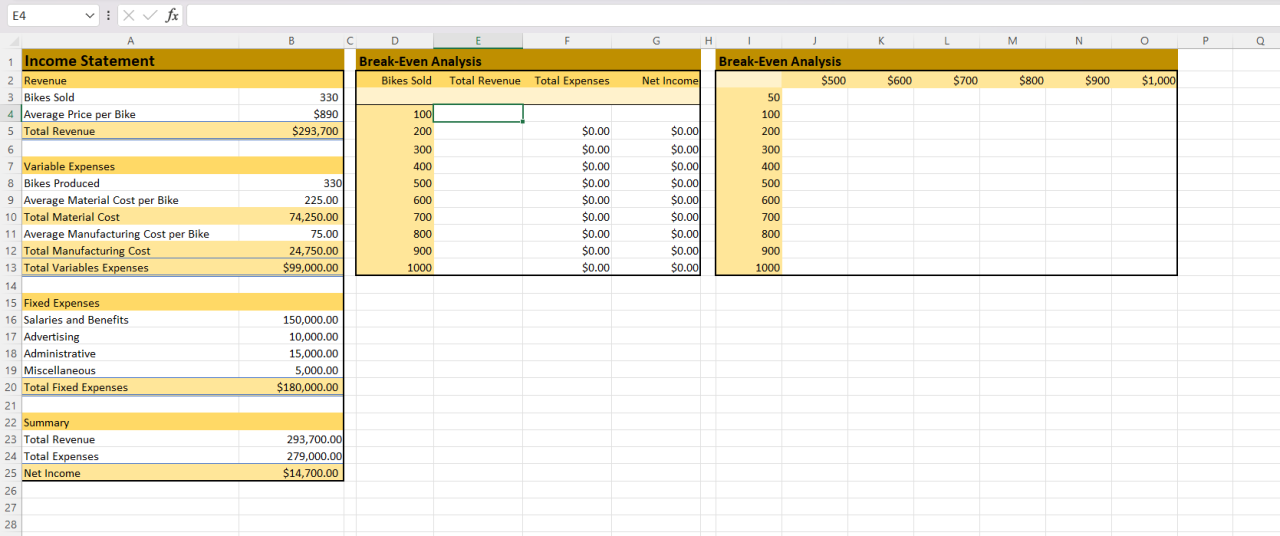
Scenario analysis is a powerful tool for businesses to evaluate potential outcomes and make informed decisions. By exploring different scenarios, organizations can anticipate challenges, capitalize on opportunities, and develop robust strategies. The following examples illustrate the practical application of scenario management in diverse business contexts.
Business Decision Scenario Analysis
A retail company is considering expanding into a new market. To assess the viability of this expansion, the company uses scenario analysis. Three scenarios are developed:
- Favorable Market Conditions: High consumer demand, strong competitor response, and successful marketing campaigns lead to rapid growth. Financial projections anticipate a 25% increase in sales within the first year. Management plans to allocate additional resources to expand the supply chain and hire new personnel.
- Moderate Market Conditions: Consumer demand is moderate, competitors exert some pressure, and marketing efforts are partially successful. The projected sales increase is around 10% in the first year. The company plans to maintain current resources and focus on building market share.
- Unfavorable Market Conditions: Low consumer demand, aggressive competitor actions, and ineffective marketing campaigns result in a decline in sales. Financial projections suggest a potential loss of 5% in the first year. The company prepares a contingency plan to reduce operational costs and explore alternative strategies.
By considering these scenarios, the company can anticipate various outcomes and develop contingency plans for each scenario, minimizing risks and maximizing potential rewards.
Financial Projection Scenario
A technology startup is developing a new software product. To project future financial performance, the company utilizes scenario analysis. Three financial scenarios are considered:
- Optimistic Scenario: Strong market adoption, high sales volume, and efficient operations lead to significant revenue growth. Projected revenue for the first year is $10 million with a 20% profit margin.
- Base Case Scenario: Moderate market acceptance, average sales volume, and manageable operational costs result in stable financial performance. The anticipated revenue for the first year is $5 million with a 15% profit margin.
- Pessimistic Scenario: Low market adoption, low sales volume, and high operational costs lead to reduced revenue. Projected revenue for the first year is $2 million with a 10% profit margin.
This analysis allows the startup to prepare for varying financial outcomes, enabling better resource allocation and financial planning.
Market Trend Scenario
A food manufacturer is assessing the impact of a rising consumer demand for organic products. Three market scenarios are developed:
- Rapid Growth Scenario: Significant increase in consumer demand for organic products, resulting in a surge in sales for organic food items. The company forecasts a 30% growth in sales for organic products within the next three years.
- Moderate Growth Scenario: Moderate increase in consumer demand for organic products, leading to steady growth in organic food sales. The anticipated growth rate for organic products is approximately 15% within the next three years.
- Slow Growth Scenario: Limited increase in consumer demand for organic products, resulting in slower growth in organic food sales. Sales for organic products are projected to grow by 5% in the next three years.
These scenarios allow the company to adapt its production and marketing strategies to meet changing market demands.
Resource Allocation Scenario
A construction company is planning a new project. To determine the optimal resource allocation, scenario analysis is applied. Three resource allocation scenarios are considered:
- Scenario 1: Favorable weather conditions, high efficiency, and minimal delays lead to project completion ahead of schedule. Resource allocation is optimized to minimize costs and maximize productivity.
- Scenario 2: Moderate weather conditions, average efficiency, and moderate delays result in the project completing on time. Resource allocation is adjusted to maintain the project timeline.
- Scenario 3: Adverse weather conditions, low efficiency, and significant delays lead to project completion after the deadline. Resource allocation is shifted to mitigate potential financial losses and project completion.
This analysis ensures the company is prepared for different project conditions and can adjust resource allocation accordingly.
Scenario Results Illustration
The following table summarizes projected revenue for the three financial scenarios Artikeld in the previous section.
| Scenario | Year 1 Revenue (USD Millions) | Year 2 Revenue (USD Millions) |
|---|---|---|
| Optimistic | $10 | $12 |
| Base Case | $5 | $6 |
| Pessimistic | $2 | $2.5 |
These projections illustrate how different scenarios can lead to varying financial outcomes. This visualization allows stakeholders to grasp the potential impact of different decisions.
Final Conclusion
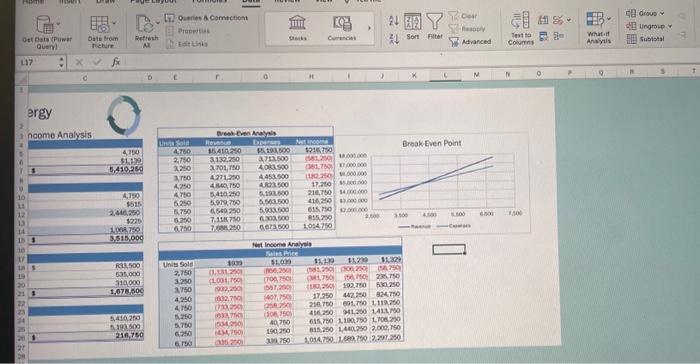
In conclusion, this guide has provided a detailed roadmap for creating and managing scenarios with the Scenario Manager. By mastering the techniques presented, you can anticipate potential challenges, explore diverse possibilities, and make more informed decisions. We’ve covered everything from basic scenario types to advanced techniques, demonstrating how the Scenario Manager can be applied in various contexts. Remember, effective scenario management is a continuous learning process, so keep exploring and refining your strategies.