Accurate date and time formatting is crucial in numerous applications, from simple communication to complex software systems. This guide delves into the intricacies of proper formatting, highlighting the importance of consistency and understanding global conventions. Ignoring these nuances can lead to significant errors, miscommunications, and system failures. We will explore various formats, international standards, and best practices, ensuring you can confidently format dates and times in any context.
This comprehensive guide provides a detailed overview of the topic, exploring not just the technical aspects but also the practical implications of proper formatting. From the nuances of regional customs to the intricacies of international standards, we’ll cover everything needed to master date and time formatting.
Introduction to Date and Time Formatting
Proper date and time formatting is crucial for ensuring data accuracy and consistency across various applications and systems. Inaccurate formatting can lead to misinterpretations, errors, and significant issues in data processing, communication, and software functionality. This section will Artikel the importance of correct date and time formatting, and highlight potential problems resulting from incorrect formatting.The consequences of incorrect date and time formatting can be widespread and costly.
In software development, incorrect formatting can lead to program crashes, data loss, or the inability of programs to process data correctly. In database management, incorrect formatting can result in corrupted data, difficulty in querying, and overall system instability. Moreover, misformatted dates and times can disrupt communication channels, leading to confusion and errors in transactions or scheduled events.
Importance of Consistent Formatting
Accurate and consistent formatting of dates and times is essential for maintaining data integrity and reliability. This consistency allows for efficient data processing and avoids errors that can be difficult to detect and correct. Uniformity in formatting also facilitates data exchange and compatibility between different systems. Inaccurate or inconsistent formatting can hinder effective data analysis, reporting, and decision-making.
Potential Consequences of Incorrect Formatting
The consequences of incorrect date and time formatting can be substantial across various applications. Software programs might interpret dates incorrectly, leading to malfunctions or unexpected outcomes. Database systems can become corrupted or inaccessible, resulting in significant data loss. In communication, incorrect formatting can cause misunderstandings and delays, particularly in scheduling and transactional activities. For example, a misformatted order date could lead to a missed delivery deadline.
Another example includes an incorrectly formatted appointment time that can lead to scheduling conflicts.
Global Date and Time Formats
Different parts of the world utilize various date and time formats, which can lead to confusion if not handled correctly. The following table illustrates common date and time formats used globally:
| Region/Country | Common Date Format | Common Time Format |
|---|---|---|
| United States | Month/Day/Year (e.g., 10/26/2024) | Hour:Minute:Second AM/PM (e.g., 10:30:00 AM) |
| United Kingdom | Day/Month/Year (e.g., 26/10/2024) | Hour:Minute AM/PM (e.g., 10:30 AM) |
| Japan | Year/Month/Day (e.g., 2024/10/26) | Hour:Minute (e.g., 10:30) |
| France | Day/Month/Year (e.g., 26/10/2024) | Hour:Minute (e.g., 10:30) |
| Germany | Day/Month/Year (e.g., 26.10.2024) | Hour:Minute (e.g., 10:30) |
Different formats for dates and times exist globally, necessitating careful consideration for data exchange and compatibility. It is crucial to determine the appropriate format based on the context and intended recipients. For instance, international transactions often need a standardized format for dates and times.
Common Date and Time Formats
Understanding diverse date and time formats is crucial for effective communication and data handling across global contexts. Different regions and cultures employ varying conventions for representing dates and times, which can lead to confusion if not properly understood. This section delves into the most prevalent formats and highlights their nuances.
Worldwide Date and Time Formats
Various countries and regions utilize distinct date and time formats, often influenced by historical and cultural factors. These variations can impact data analysis, software development, and international communication. A standardized approach is essential for avoiding ambiguity and ensuring accurate interpretation.
| Format | Description | Example | Common Regions |
|---|---|---|---|
| YYYY-MM-DD | Year-Month-Day format. | 2024-07-26 | Many parts of Europe, some parts of Asia |
| MM/DD/YYYY | Month/Day/Year format. | 07/26/2024 | United States, Canada |
| DD/MM/YYYY | Day/Month/Year format. | 26/07/2024 | United Kingdom, Australia, many parts of Europe |
| DD.MM.YYYY | Day.Month.Year format. | 26.07.2024 | Germany, Switzerland, Austria |
| YYYY/MM/DD | Year/Month/Day format. | 2024/07/26 | Some parts of Asia, Japan |
Differences Between Date/Time Formats
The ordering of year, month, and day significantly impacts how dates are perceived and interpreted. For example, a date represented as YYYY-MM-DD differs from a date represented as MM/DD/YYYY, even though both may seem straightforward at first glance. The placement of the month and day is critical, as it can lead to misinterpretations or errors if not handled with care.
The varying formats also highlight the necessity for cultural awareness when handling date and time data.
Significance of Regional Date and Time Customs
Regional customs significantly influence the representation of dates and times. These customs stem from historical practices and cultural preferences. The choice of a particular date format is often deeply ingrained in the cultural norms of a specific region. This is especially crucial in global business, international travel, and cross-cultural communication, where understanding these nuances can prevent misunderstandings and errors.
Examples of Different Cultural Representations
Different cultures represent dates and times in various ways, influenced by their respective histories and traditions. For instance, some cultures may use a lunar calendar system instead of a solar calendar system, which alters the representation of dates and times. Understanding these cultural differences is essential for avoiding errors in interpretation and ensuring effective communication.
Formatting for Different Applications
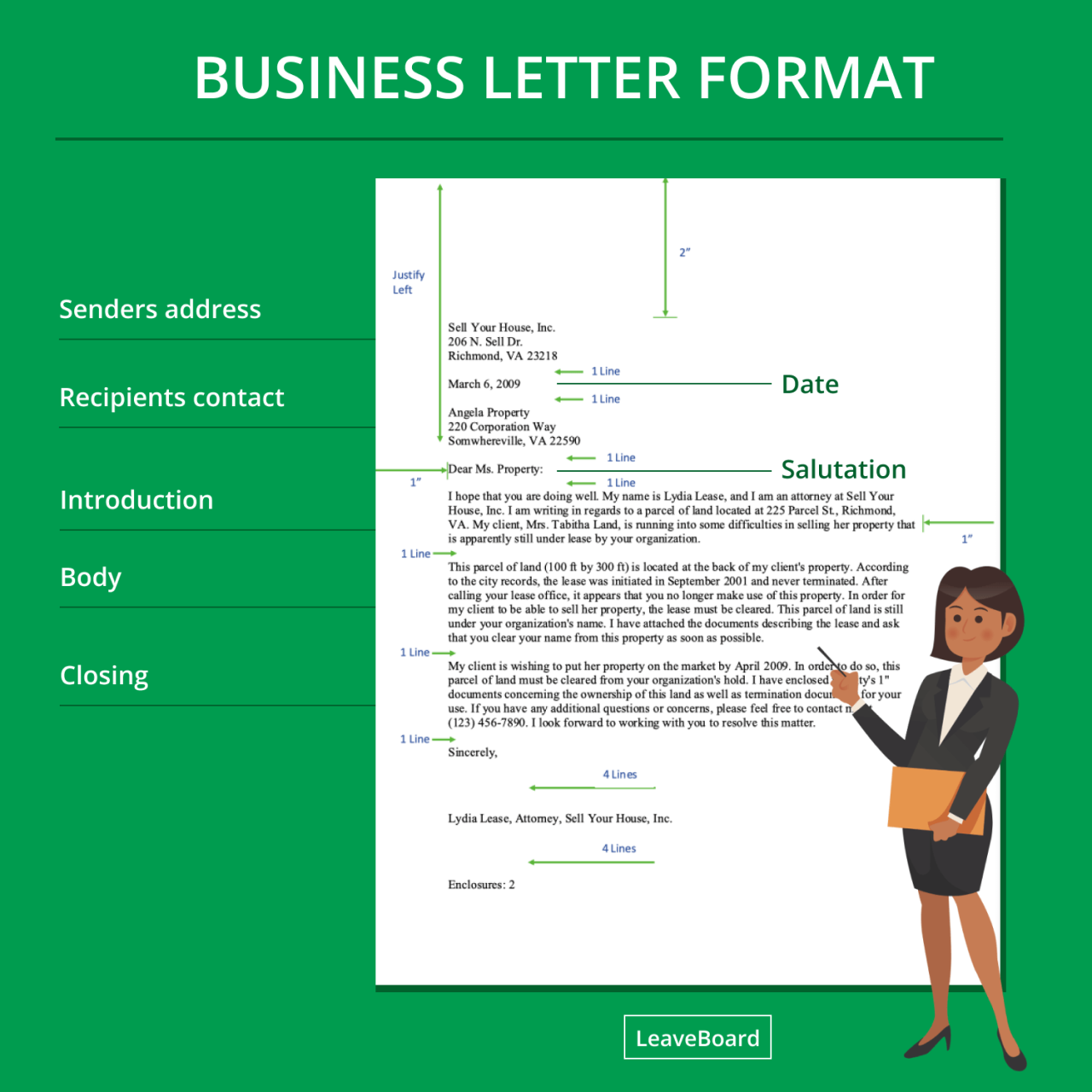
Proper date and time formatting is crucial for various software applications. Inaccurate formatting can lead to data misinterpretation, errors in calculations, and inconsistencies across systems. Understanding the specific requirements of different applications is essential to ensure data integrity and smooth operation.Different software applications often have specific preferences for how dates and times should be formatted. These preferences can vary significantly, impacting data storage, retrieval, and analysis.
Understanding these variations and adhering to them is paramount for maintaining data accuracy and consistency across applications.
Database Formatting
Database systems require precise date and time formats for storing and retrieving information efficiently. Inconsistent formatting can lead to data corruption and retrieval errors, significantly impacting data analysis and reporting.
- Many relational database management systems (RDBMS) support a standard ISO 8601 format for dates and times. For example, a date might be stored as ‘2024-10-27′ and a time as ’10:30:00’. Adhering to this standard is essential for compatibility across different database systems.
- Specific database systems may have their own preferred formats, though ISO 8601 is often the recommended approach. Consult the documentation for the particular database system to confirm the acceptable date and time formats. Different database systems have their own nuances in handling date and time data.
Spreadsheet Formatting
Spreadsheets, such as Microsoft Excel or Google Sheets, allow flexibility in date and time formatting, but consistent formatting is still crucial. The incorrect format can lead to misinterpretations of data and errors in calculations.
- Spreadsheets offer a wide array of formats for dates and times, from simple numerical representations to elaborate display options. Understanding the specific format needed for your calculations is crucial. For instance, a date formatted as ‘October 27, 2024′ might be handled differently from a date formatted as ’10/27/2024’.
- Formatting options are user-configurable. Choosing an appropriate format is critical for clarity and correct data analysis. Using a standardized format across multiple spreadsheets will enhance the accuracy and consistency of data interpretation.
Web Application Formatting
Web applications often need to display dates and times to users in a clear and user-friendly format. Incorrect formatting can make the data difficult to understand or misrepresent the time period.
- Web applications typically display dates and times in formats that are easily readable by users. For instance, ‘October 27, 2024′, or ’10/27/2024’ are common formats. The chosen format depends on the specific needs of the application and the target audience.
- Different programming languages and frameworks used in web development have libraries for formatting dates and times. Employing these tools ensures consistency and readability. This is particularly important for applications handling time-sensitive data, like e-commerce or appointment scheduling.
Example: Comparison of Formats
| Application | Format | Example | Description |
|---|---|---|---|
| Database | YYYY-MM-DD HH:mm:ss | 2024-10-27 10:30:00 | Standard ISO 8601 format, widely supported. |
| Spreadsheet | MM/DD/YYYY | 10/27/2024 | Common format for US-centric spreadsheet users. |
| Web Application | October 27, 2024 | October 27, 2024 | Human-readable format for user-friendliness. |
International Date and Time Standards
Adopting consistent date and time formats is crucial for global communication and data exchange. This section explores international standards, particularly ISO 8601, and their advantages in various applications. Understanding these standards is vital for ensuring data accuracy and interoperability across different systems and cultures.International standards for representing dates and times provide a framework for unambiguous communication across different regions and systems.
Using these standards promotes consistency, reduces errors, and enhances data exchange. One prominent standard, ISO 8601, is widely adopted and provides a structured approach to representing dates and times.
ISO 8601 Standard
ISO 8601, the International Organization for Standardization’s standard for dates and times, is a widely recognized and adopted standard. It offers a comprehensive framework for representing dates and times in a structured format. This standard promotes consistency and reduces ambiguity in data exchange, enhancing interoperability across various systems and applications.
Benefits of Using Standardized Formats
Standardized formats like ISO 8601 offer numerous advantages:
- Reduced ambiguity: A standardized format eliminates the potential for misinterpretations when dealing with dates and times, especially in global contexts.
- Improved data exchange: Standardized formats facilitate seamless data exchange between different systems, applications, and organizations, leading to better collaboration and efficiency.
- Enhanced data accuracy: Using a consistent format minimizes errors in data entry, storage, and retrieval, thus improving data quality.
- Improved data analysis: Standardized formats allow for more accurate and efficient data analysis, as systems can easily interpret and process the data without ambiguity.
Examples of ISO 8601 Application
The following examples illustrate how ISO 8601 can be applied in various contexts:
- Business transactions: Invoices and contracts often include dates and times. Using ISO 8601 ensures clarity in these documents, eliminating confusion about the transaction’s timing.
- Database management: Databases can store dates and times in ISO 8601 format, ensuring consistency and preventing data discrepancies.
- Software development: Software applications often use ISO 8601 for handling dates and times, allowing for seamless integration and data exchange with other systems.
- Scientific research: Scientific data often includes dates and times, requiring standardized formats for accurate analysis and reporting.
Specific ISO 8601 Formats
ISO 8601 provides different formats for representing dates and times, each suitable for different contexts. A key aspect is the flexibility and adaptability to various requirements.
| Format | Description | Example |
|---|---|---|
| YYYY-MM-DD | Year-Month-Day | 2024-08-15 |
| YYYY-MM-DDTHH:mm:ss | Year-Month-Day Time | 2024-08-15T10:30:00 |
| YYYY-MM-DDTHH:mm:ss.sssZ | Year-Month-Day Time with timezone | 2024-08-15T10:30:00.000Z |
Handling Different Time Zones

Time zones are crucial for accurate date and time representation, especially when dealing with global data or interactions. Ignoring time zones can lead to significant errors in calculations, scheduling, and data analysis. Understanding how to handle time zones correctly is essential for any application involving international operations or users in diverse locations.Time zones are distinct regions on Earth that observe a uniform standard time.
This means that clocks in a particular time zone display the same time, even if they are geographically distant. This uniform time is crucial for coordinating activities across different parts of the world. Proper date and time formatting must consider these time zones to avoid confusion and misinterpretations.
Time Zone Impact on Date and Time Representation
Different time zones have different offsets from Coordinated Universal Time (UTC). This offset is the difference in hours and minutes between the local time and UTC. For instance, the Eastern Standard Time (EST) zone is often 5 hours behind UTC. When representing dates and times in different time zones, the offset must be considered to avoid miscalculations. For example, an event scheduled for 10:00 AM EST would be 3:00 PM UTC.
Failing to account for this difference could result in scheduling conflicts or incorrect data analysis.
Accurate Date and Time Formatting Across Time Zones
Correctly formatting dates and times across time zones requires careful consideration of the offset from UTC. Software libraries and programming languages often provide functionalities for handling time zones. These tools allow the conversion of dates and times between different time zones, ensuring accurate representation in each location. For example, if a database stores timestamps in UTC, querying and displaying data in a specific time zone (like EST) requires converting the UTC timestamp to the corresponding EST time.
Time Differences Between Major Time Zones
A clear understanding of the time differences between major time zones is crucial for international communication and collaboration. The table below illustrates the time differences between several major time zones relative to UTC.
| Time Zone | Offset from UTC |
|---|---|
| UTC | 0 hours |
| Eastern Standard Time (EST) | -5 hours |
| Central Standard Time (CST) | -6 hours |
| Mountain Standard Time (MST) | -7 hours |
| Pacific Standard Time (PST) | -8 hours |
| Greenwich Mean Time (GMT) | 0 hours |
| British Summer Time (BST) | +1 hours |
| Central European Time (CET) | +1 hours |
| Japan Standard Time (JST) | +9 hours |
| Australian Eastern Standard Time (AEST) | +10 hours |
Note that the time zone offsets can vary based on daylight saving time (DST). Therefore, a dynamic approach is needed to accommodate DST changes. This table provides a general overview; consult specific time zone databases for precise offset information.
Formatting for Different Media
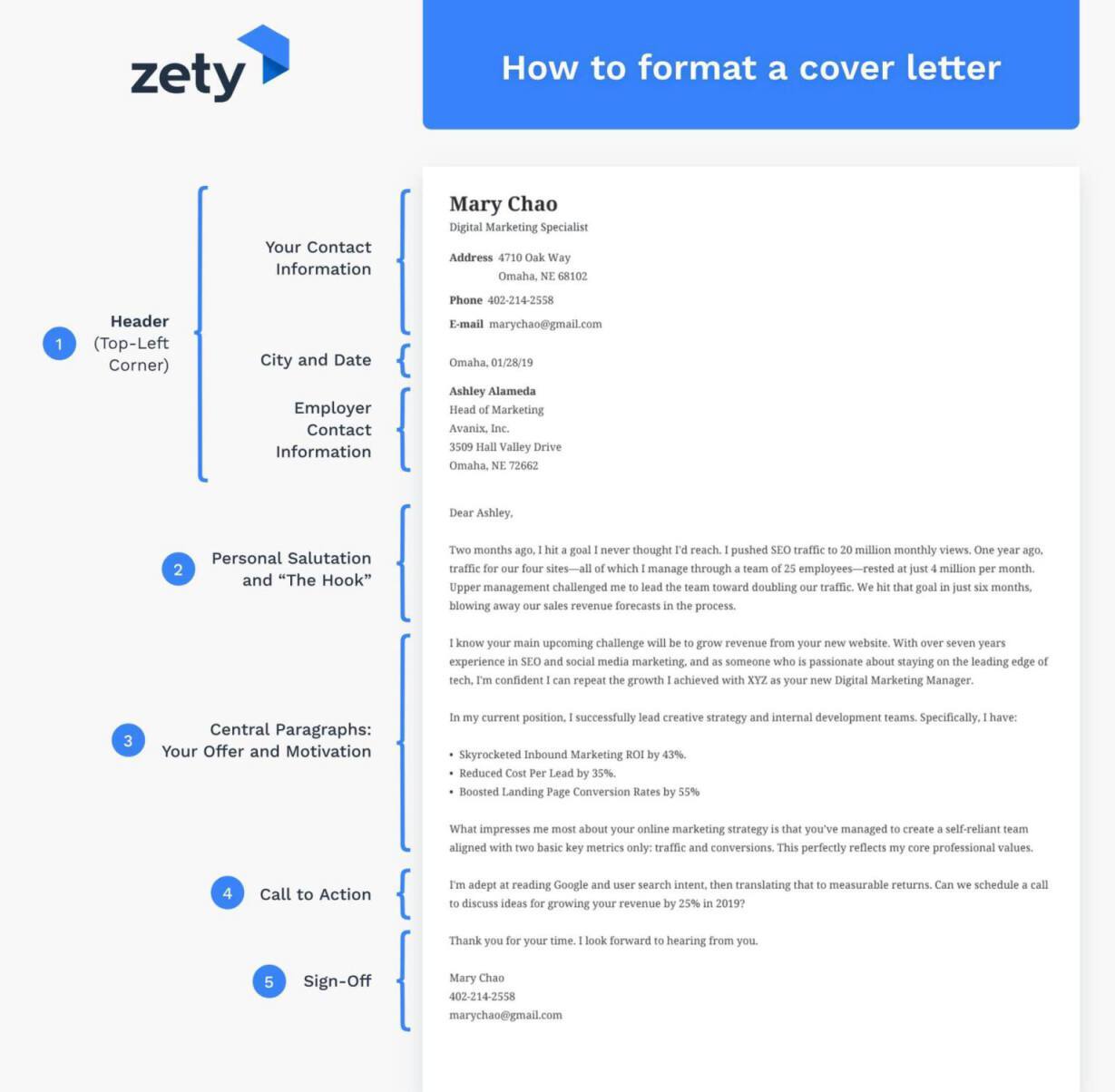
Proper date and time formatting is crucial for clarity and consistency across various media. This section details how to format dates and times in different media formats, ensuring accuracy and readability. Maintaining consistent formatting enhances understanding and avoids misinterpretations.Formatting dates and times for different media platforms requires understanding the specific conventions and best practices for each. Adhering to these guidelines fosters effective communication and avoids ambiguity.
Formatting in Text Documents
Text documents, such as reports and memos, often utilize a standardized date and time format. Consistency is key to readability and comprehension. Examples include:
- MM/DD/YYYY – (e.g., 03/15/2024): Common in North America, useful for sorting and searching.
- DD/MM/YYYY – (e.g., 15/03/2024): Common in some European countries, ensuring the month and day are correctly aligned.
- YYYY-MM-DD – (e.g., 2024-03-15): Preferred for data processing and database systems due to its unambiguous structure.
- Month DD, YYYY – (e.g., March 15, 2024): Suitable for formal documents, enhanced readability, but requires careful consideration for abbreviation consistency.
Formatting in Emails
Email communication often relies on the recipient’s locale and settings. Use a clear and concise format. Examples include:
- Subject Line: Date should be included in the subject line, if appropriate (e.g., Project Update – March 15, 2024).
- Body: Use a consistent date format throughout the email.
- Automatic Date/Time Stamp: Use the email client’s default date and time formatting; ensure it aligns with the intended message format.
Formatting in Presentations
Presentations require a visually appealing and easily understandable format. Consider the audience and the message being conveyed. Examples include:
- Presentation Slides: Utilize a visually clear date format in the title slide, headers, or footers.
- Data Visualizations: Incorporate dates into charts and graphs, ensuring clear labels and legends.
- Timelines: Present dates in a chronological order, clearly marking significant events.
Formatting on Web Pages
Web pages often use the date and time to indicate when content was created or updated. Consistency and adherence to web standards are important.
- Date Formats: Use a consistent date format throughout the website, such as YYYY-MM-DD.
- Time Zones: Specify the time zone to avoid ambiguity.
- Dynamic Content: Use server-side scripting to dynamically generate the date and time to ensure it’s always accurate.
Formatting on Social Media
Social media platforms allow for flexibility in date and time formatting. However, clarity and conciseness are still paramount.
- Posts: Include dates in posts to provide context, but consider the platform’s limitations and best practices.
- Hashtags: Use hashtags to enhance searchability; include relevant dates or times in hashtags, when appropriate.
- Engagement: Respond to comments and messages with accurate dates and times.
Date and Time Validation Techniques
Ensuring the accuracy and reliability of date and time data is crucial in various applications. Inaccurate or invalid entries can lead to significant issues, ranging from simple display errors to critical system failures. Robust validation methods are essential for maintaining data integrity and preventing errors.Effective date and time validation involves checking for various aspects, such as the validity of the entered date (e.g., preventing February 29th on non-leap years), the consistency of the time (e.g., ensuring the time is within a 24-hour period), and the overall format compliance with predefined standards.
This approach safeguards against inconsistencies and enhances the overall quality of the data.
Regular Expression Validation
Regular expressions (regex) offer a powerful and concise way to validate date and time formats. They allow you to define patterns that must match the input data. Regex provides a flexible and efficient mechanism to ensure that input conforms to predefined standards.
- Regular expressions can verify the format of dates, checking for the presence of delimiters, and the correct sequence of components (e.g., month, day, year).
- Regex patterns can validate times by confirming the presence of hours, minutes, and seconds, and ensuring that values are within acceptable ranges.
Date/Time Library Validation
Many programming languages offer libraries with built-in date/time validation functions. These libraries often provide methods to parse and validate date and time strings. Leveraging these pre-built tools simplifies the validation process and avoids potential errors associated with manual validation.
- Python’s `datetime` module offers robust functions to parse and validate dates and times, including checking for valid ranges, leap years, and time zones. For example, using `datetime.strptime` to parse a string into a `datetime` object will raise an exception if the string doesn’t match the expected format.
- Java’s `SimpleDateFormat` class provides similar functionality for parsing and validating date/time strings. Using `SimpleDateFormat` with `parse()` can throw `ParseException` if the input string doesn’t match the defined format.
Example: Python Validation Code
“`pythonimport reimport datetimedef validate_date(date_string, format=”%Y-%m-%d”): try: datetime.datetime.strptime(date_string, format) return True except ValueError: return Falsedef validate_time(time_string, format=”%H:%M:%S”): try: datetime.datetime.strptime(time_string, format) return True except ValueError: return False# Example usagedate_input = “2024-03-15″time_input = “10:30:00″if validate_date(date_input): print(f”The date date_input is valid.”)else: print(f”The date date_input is invalid.”)if validate_time(time_input): print(f”The time time_input is valid.”)else: print(f”The time time_input is invalid.”)“`
Practical Examples and Case Studies

Correct date and time formatting is crucial in numerous applications, from simple personal scheduling to complex enterprise systems. Inaccurate formatting can lead to significant issues, from missed appointments to flawed financial reports. Understanding these real-world scenarios and the potential errors is essential for ensuring data integrity and system reliability.Accurate date and time formatting ensures data consistency and reliability across different systems and applications.
By using standardized formats, businesses and individuals can avoid confusion, streamline processes, and make informed decisions based on precise information.
Financial Transactions
Financial transactions are highly sensitive to date and time precision. Incorrect formatting can lead to miscalculations, delayed payments, or incorrect account balances.
- Consider a scenario where a company processes international payments. If the date format differs between the sending and receiving systems (e.g., YYYY-MM-DD vs. MM/DD/YYYY), the payment could be processed incorrectly, leading to significant financial losses or delays.
- Accurate time stamps are critical for tracking transactions. For example, if a payment is processed after the closing time for a specific account, the transaction might be rejected. Incorrect time stamps can result in the loss of revenue, or, even more seriously, regulatory fines.
Event Scheduling
Proper date and time formatting is paramount in event scheduling, especially for large-scale events or those involving multiple time zones. Inaccurate formatting can lead to scheduling conflicts, confusion among attendees, and a significant loss of productivity or revenue.
- An international conference scheduled for a particular date and time might lead to problems if the date and time aren’t properly formatted and interpreted by participants in different time zones. For example, if the date is incorrectly formatted in the system, participants from different time zones might not be able to access the correct meeting time.
- A company hosting a webinar with global attendees needs to ensure accurate time zone conversion and presentation of the webinar start and end times. If the formatting is incorrect, attendees might miss the webinar or experience difficulties in joining it.
Medical Records
In healthcare, precise date and time formatting is essential for accurate patient records, treatment scheduling, and medication management. Errors in formatting can lead to critical delays in care or incorrect diagnoses.
- A patient’s medical history needs to be meticulously recorded with accurate date and time stamps for appointments, diagnoses, and treatment. Inaccurate formatting can result in missed medication dosages, delayed diagnoses, or inaccurate reporting of treatment efficacy.
- Consider a scenario where a patient’s surgery is scheduled. If the date and time aren’t correctly formatted and converted to the appropriate time zone for the operating room staff, there could be a delay or miscommunication, potentially endangering the patient.
Data Analysis and Reporting
Data analysis and reporting often rely on accurate date and time data. Incorrect formatting can lead to skewed results, misleading conclusions, and poor decision-making.
- Consider a business analyzing sales data. If the date and time stamps are incorrectly formatted, the analysis might yield inaccurate results about sales trends and patterns. For example, sales from different days might be aggregated or analyzed incorrectly, leading to a distorted understanding of the business performance.
- Reporting sales figures, such as daily or monthly sales, requires accurate date and time data to reflect actual sales volumes. If the format is inconsistent or incorrect, the reports may show inaccurate figures, impacting the business’s understanding of its sales performance and making strategic decisions difficult.
Tips and Best Practices
Consistent date and time formatting is crucial for data integrity and application functionality. Following best practices ensures data accuracy, facilitates data analysis, and avoids potential errors in applications that rely on date and time information. These best practices are especially important in situations where multiple systems or users interact with the data.Proper handling of date and time data is essential to maintain data consistency across various systems and applications.
This involves using standardized formats, adhering to international conventions, and carefully considering potential time zone differences. Effective strategies for validation and error prevention also contribute to the overall reliability of the data.
Choosing Appropriate Date and Time Formats
Different applications and contexts require different date and time formats. Understanding these nuances and selecting the most suitable format is vital for clear communication and unambiguous data interpretation. For instance, a simple “MM/DD/YYYY” format might be sufficient for internal reports, but a more complex format might be needed for international transactions. The selection should consider readability, compatibility with other systems, and the need for precision.
Handling Time Zones
Accurate representation of time zones is critical for maintaining data integrity, especially in globalized environments. Using a standard time zone identifier or offset from UTC is recommended for consistent data representation. Failure to handle time zones correctly can lead to significant errors in calculations, scheduling, and reporting. For example, a meeting scheduled in one time zone might be at a different time in another time zone, leading to scheduling conflicts if not handled correctly.
Data Validation Techniques
Robust validation techniques are essential to ensure the accuracy and reliability of date and time data. Regular expressions and specific validation rules can help identify and reject invalid dates or times. These techniques help prevent errors from entering the system, reducing the likelihood of inconsistencies and inaccuracies in the data. Examples include checking for dates that fall outside a defined range, or validating time values based on business rules.
Avoiding Common Mistakes
Consistent mistakes in date and time formatting can lead to data inconsistencies and inaccuracies. A common error is assuming a consistent format across all systems and applications. Understanding the context and utilizing appropriate formats is key to avoiding errors.
- Incorrect Format Specification: Using inconsistent or ambiguous formats, which may be interpreted differently by different systems or users. Always use a clear and universally understood format, like YYYY-MM-DD, for example.
- Missing Time Zone Information: Failing to consider the time zone associated with the data, leading to discrepancies when dealing with data from different locations. Explicitly define the time zone to avoid potential misinterpretations.
- Inconsistent Data Entry: Inconsistencies in data entry procedures can lead to invalid dates or times. Implement strict data entry validation rules to prevent inconsistent input.
- Data Validation Oversights: Insufficient validation can allow invalid or illogical dates to be stored or processed. Employ robust validation methods to ensure the accuracy of date and time data.
Data Standardization and Consistency
Standardization of date and time formats within an organization is essential for interoperability and data integrity. This ensures consistency in data representation across all applications and systems. Employing clear and consistent formats reduces ambiguity and improves data reliability. An example would be a company implementing YYYY-MM-DD format for all internal date and time records.
Conclusive Thoughts
In conclusion, mastering date and time formatting is essential for effective communication and reliable data management across diverse applications. By understanding the various formats, standards, and cultural considerations, you can avoid errors and ensure accuracy. This guide provides a thorough foundation, equipping you with the knowledge and tools to handle date and time data confidently and correctly in any situation.