Capturing precise, real-time data snapshots is crucial in various fields, from scientific research to industrial monitoring. This comprehensive guide provides a step-by-step approach to effectively utilizing camera tools for acquiring and analyzing live data. We will explore the fundamental principles, setup procedures, and advanced techniques to optimize your data capture process.
This guide delves into the functionalities of different camera types, highlighting their specific features and capabilities. We will discuss the importance of proper calibration and setup for accurate data collection, emphasizing the significance of precise timing and synchronization in capturing meaningful snapshots.
Introduction to Camera Tool
The camera tool serves as a vital component in acquiring real-time data snapshots. Its function is multifaceted, enabling the capture of various data types for analysis and documentation. This tool is crucial in a wide array of applications, from scientific experiments to industrial monitoring.This tool is specifically designed for capturing live data. This encompasses the ability to record images, videos, and measurements in a dynamic environment.
The captured data can then be analyzed for trends, patterns, and other valuable insights.
Camera Tool Functionality
The camera tool’s primary function lies in its ability to capture real-time data snapshots. This involves the use of various sensors and image processing techniques to gather data in a dynamic environment. Data acquisition occurs simultaneously with the event, providing a crucial record of the system’s behavior.
Types of Data Captured
The camera tool can capture diverse types of data. Images are a fundamental form of data, offering visual representations of the subject being observed. Videos provide a continuous record of the event, capturing movement and changes over time. Beyond visual data, the camera tool can also capture numerical measurements. For instance, in industrial settings, cameras can track and record precise measurements, such as the size of a product or the speed of a machine.
General Workflow for Live Data Snapshots
The general workflow for utilizing the camera tool for live data snapshots is straightforward. First, the tool is calibrated to ensure accurate measurements and clear images. Next, the desired settings, such as resolution and frame rate, are configured. Once calibrated and configured, the data acquisition process begins. The tool captures data in real-time, providing a record of the event.
Finally, the captured data is processed and analyzed to extract meaningful insights.
Common Camera Tool Types and Features
| Camera Tool Type | Features |
|---|---|
| High-Resolution Digital Camera | Exceptional image quality, wide range of resolutions, and ability to capture fine details. |
| Thermal Imaging Camera | Captures infrared radiation, allowing the identification of temperature variations and anomalies, often used in industrial inspections or security applications. |
| 3D Imaging Camera | Captures three-dimensional data, providing depth information and facilitating measurements in complex environments. |
| High-Speed Camera | Captures events at extremely high frame rates, essential for observing rapid movements and capturing crucial details in dynamic processes. |
Setting Up the Camera Tool
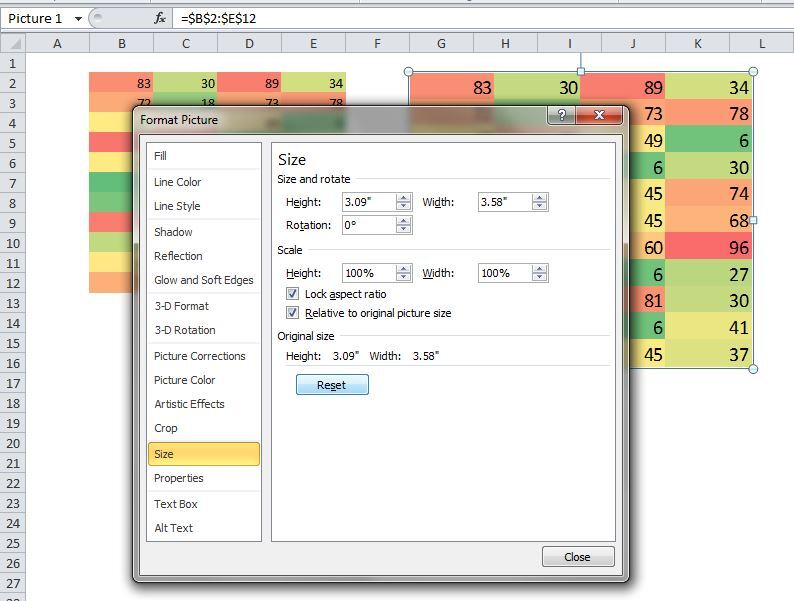
Proper camera tool setup is crucial for accurate and reliable data acquisition. This section details the steps involved in configuring the camera tool for capturing snapshots, emphasizing the importance of calibration and setup for precise results. It also Artikels the connection process and camera setting adjustments for optimal image quality.
Connection to the Data Acquisition System
Establishing a robust connection between the camera tool and the data acquisition system is paramount. This connection ensures seamless data transfer and prevents potential errors. The method for connection depends on the specific camera tool and data acquisition system. Common methods include using USB cables, network connections, or specialized interfaces. Ensure compatibility between the hardware components before proceeding.
Detailed instructions for connecting the camera tool are usually provided in the user manuals for both devices.
Camera Calibration and Setup
Accurate calibration is essential for precise measurements. This involves aligning the camera’s optical axis with the target plane to minimize distortion and ensure accurate representation of the captured data. The specific calibration procedures will vary depending on the camera tool and the intended application. Follow the manufacturer’s instructions carefully.
Adjusting Camera Settings
Optimal image quality depends on appropriate camera settings. Adjusting resolution and frame rate are key considerations. Higher resolutions capture more detail, but increase file size. Frame rate influences the number of images captured per second, which is vital for dynamic processes. A balance between these settings is required based on the specific application and data requirements.
Camera Settings Configuration Table
This table provides examples of camera tool configurations for different scenarios. It showcases the impact of various settings on image quality and data acquisition.
| Setting | Description | Example 1 | Example 2 |
|---|---|---|---|
| Resolution | Defines the number of pixels in the image. | 1920 x 1080 (Full HD) | 3840 x 2160 (4K) |
| Frame Rate | Specifies the number of frames captured per second. | 30 frames per second (fps) | 60 fps |
| Exposure Time | Controls the length of time the sensor is exposed to light. | 1/60 second | 1/1000 second |
| White Balance | Adjusts the color temperature of the captured image. | Auto | Tungsten |
Capturing Live Data Snapshots
Capturing live data snapshots is a crucial aspect of utilizing the camera tool. This process allows for the creation of precise and timely representations of the live data stream, providing invaluable insights and facilitating analysis. Effective snapshot capture requires careful consideration of triggering methods, timing, and synchronization.
Methods for Triggering Snapshot Capture
Different scenarios necessitate varied approaches to initiating snapshot capture. Manual triggering allows for precise control over when a snapshot is taken, suitable for situations requiring deliberate capture. Alternatively, automatic triggering can be programmed to capture snapshots at predefined intervals or upon the occurrence of specific events, such as a threshold crossing or a particular data pattern. The selection of the appropriate triggering method depends on the specific requirements of the data analysis.
Importance of Timing and Synchronization
Precise timing and synchronization are paramount when capturing live data snapshots. In scenarios where multiple data streams or events are involved, maintaining synchronization between these streams is critical for accurate representation. Any discrepancies in timing can lead to misinterpretations of the data, rendering the snapshot unreliable for analysis. Ensuring synchronized timing is achieved through appropriate software design and hardware configuration.
Capturing Multiple Snapshots at Different Time Intervals
The camera tool facilitates the capture of multiple snapshots at predefined time intervals. This capability is essential for capturing trends and patterns within the live data stream. By specifying the desired interval, the tool can automate the capture process, allowing for a comprehensive dataset over a period of time. This feature allows for a dynamic view of the evolving data.
Recording the Capture Time of Each Snapshot
Accurately recording the timestamp of each snapshot is critical for interpreting the captured data. This metadata provides context regarding the specific moment in the live data stream when the snapshot was taken. The tool should be equipped with a timestamping mechanism to automatically record the time of each capture. The resulting data will be more meaningful when the capture time is explicitly documented.
Troubleshooting Snapshot Capture Issues
A structured approach to resolving snapshot capture issues is essential. This structured list details common problems and their corresponding solutions:
- Snapshot not capturing: Verify the camera tool’s connection and ensure it is active. Check for any error messages or warnings. Restarting the camera tool can sometimes resolve the issue.
- Inconsistent timing: Review the synchronization settings to ensure proper coordination with other data streams. Verify that the hardware and software components are correctly calibrated and synchronized.
- Multiple snapshots at the same time: Check for any overlapping triggers. Review the triggering mechanism to identify potential conflicts and resolve them.
- Data corruption: If data appears corrupted, examine the data stream’s integrity. Ensure the data source is stable and the connection is reliable.
- No timestamps recorded: Confirm that the timestamping feature is enabled and functional. Check the logging settings and configuration of the camera tool.
Data Analysis and Interpretation
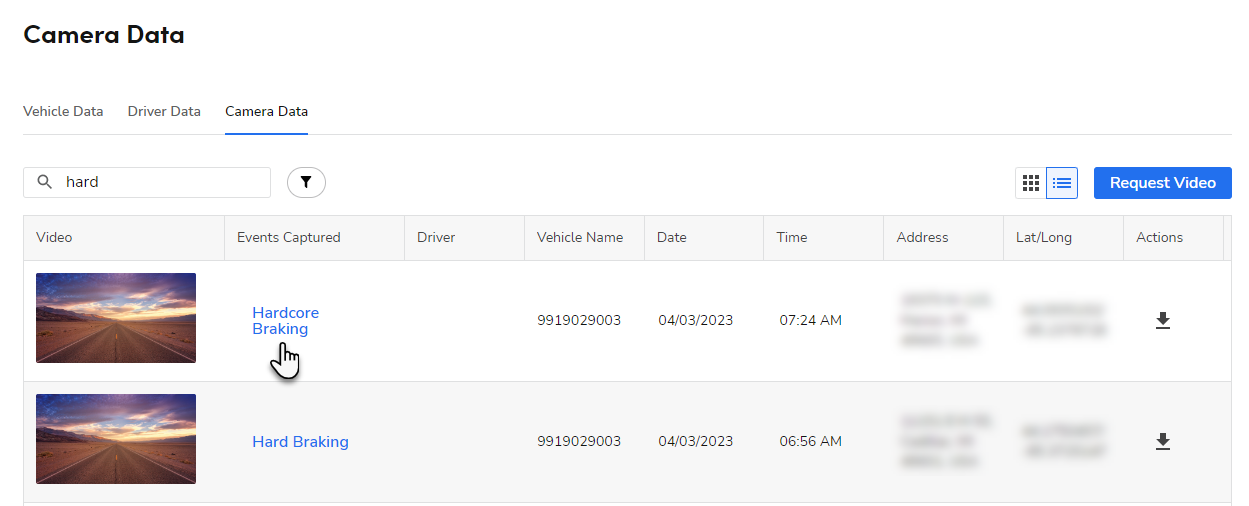
Analyzing captured live data snapshots effectively is crucial for deriving meaningful insights. Proper analysis transforms raw data into actionable information, enabling informed decisions and optimized performance. This section details common techniques for analyzing snapshots, illustrating the process with practical examples.Data interpretation requires careful consideration of the context in which the snapshots were taken, the parameters used for capturing the data, and the specific questions the analysis seeks to answer.
This methodical approach allows for accurate and reliable conclusions to be drawn from the collected data.
Common Data Analysis Techniques
Various techniques can be applied to analyze the data points extracted from snapshots. These techniques include statistical analysis, pattern recognition, and trend identification. Statistical methods can be employed to calculate averages, standard deviations, and other metrics to assess the data’s distribution and identify outliers. Pattern recognition techniques can be used to identify recurring patterns or anomalies in the data, while trend identification focuses on recognizing long-term changes or developments.
Example Data Table
The following table presents an example of data extracted from a live data snapshot, showcasing three key data points: temperature, humidity, and pressure.
| Timestamp | Temperature (°C) | Humidity (%) | Pressure (kPa) |
|---|---|---|---|
| 10:00:00 | 25.5 | 60 | 101.2 |
| 10:00:30 | 25.8 | 62 | 101.3 |
| 10:01:00 | 26.0 | 64 | 101.4 |
| 10:01:30 | 26.2 | 65 | 101.5 |
Data Visualization for Interpretation
Data visualization tools are invaluable for interpreting captured data. These tools transform numerical data into graphical representations, such as charts and graphs. For instance, a line graph plotting temperature over time can reveal trends, while a scatter plot showing the relationship between temperature and humidity can highlight correlations. Visualization techniques enable a more intuitive understanding of complex data sets, making it easier to identify patterns and anomalies.
Comparing Multiple Snapshots
Comparing data from multiple snapshots allows for the identification of trends and patterns over time. For example, by analyzing temperature snapshots taken throughout the day, one can determine if the temperature is rising, falling, or remaining relatively stable. Careful examination of multiple snapshots can reveal seasonal patterns or other long-term trends.
Considerations for Interpreting Live Data Snapshots
Several considerations are vital when interpreting data from live data snapshots. Understanding the context of the data collection is paramount, including the location, time of day, and environmental conditions. The accuracy of the sensors used to collect the data is also crucial, as unreliable data can lead to inaccurate conclusions. Finally, the specific questions being asked by the analysis should be clearly defined to ensure that the interpretation focuses on the relevant aspects of the data.
- Data Quality: Ensure that the data collected is accurate and reliable. Errors in data entry or sensor malfunctions can skew the analysis. Verify data sources and calibration procedures.
- Contextual Information: Consider the circumstances surrounding the data collection, such as the time of day, location, and environmental conditions. This contextual awareness aids in accurate interpretation.
- Data Validation: Scrutinize the data for outliers or inconsistencies. Employ statistical methods to identify and address these issues to ensure the integrity of the analysis.
Advanced Features and Applications
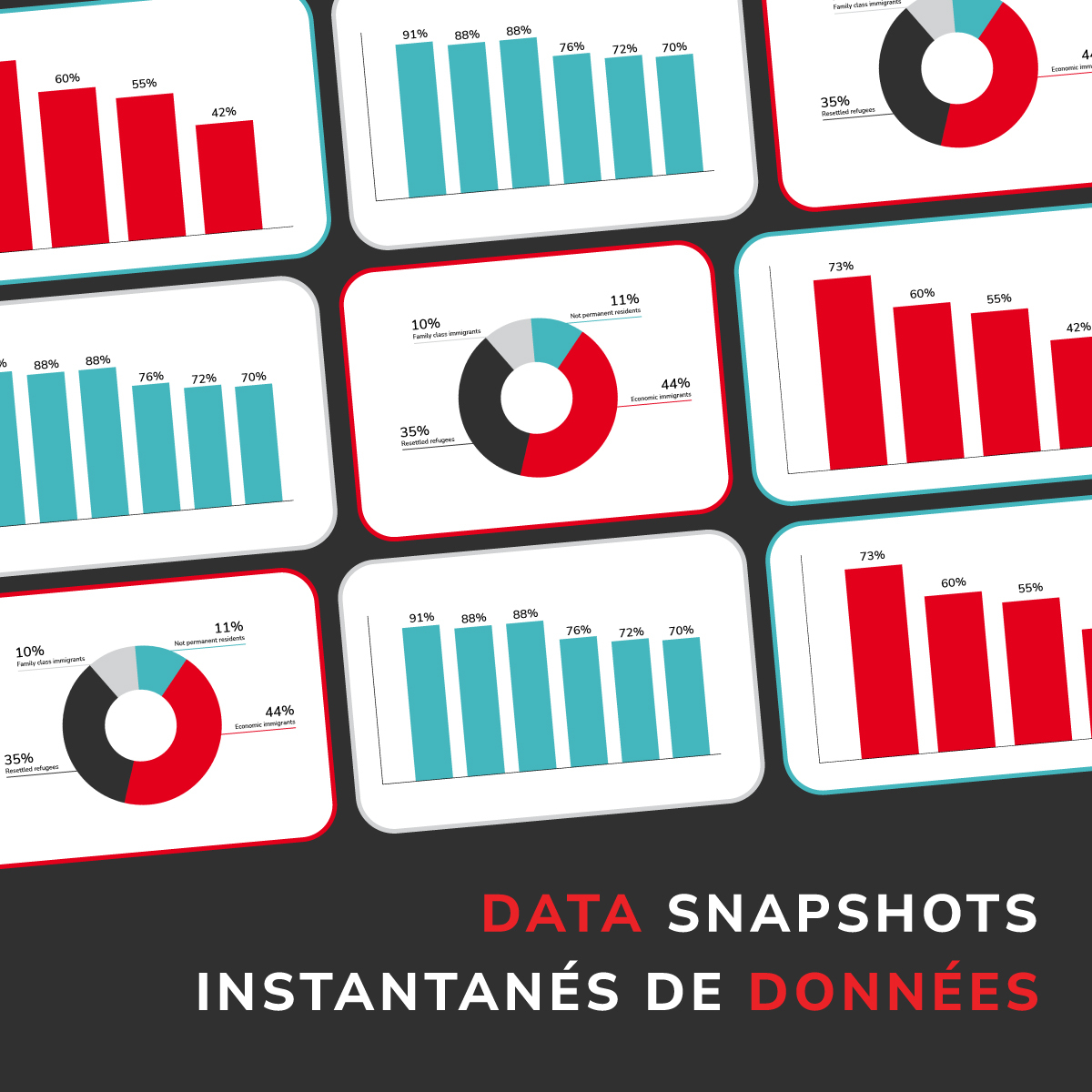
The camera tool for live data snapshots extends beyond basic image capture, offering a range of advanced features that enhance data analysis and application versatility. These features allow users to process images in real-time, significantly improving the utility of live data capture in various fields. This section will explore these features, showcase diverse applications, and delve into specialized configurations for specific use cases, acknowledging potential limitations.
Image Processing Capabilities
Advanced camera tools often incorporate image processing algorithms. These algorithms can enhance image quality, extract specific features, or perform transformations to improve data analysis. Techniques like noise reduction, edge detection, and color adjustments can be applied to live data streams. For instance, noise reduction can improve the clarity of images in low-light conditions, while edge detection can isolate important features for further analysis.
This enhancement significantly improves the accuracy and reliability of the data extracted from the captured images.
Applications of Live Data Snapshots
The applications of camera tools for live data snapshots are diverse. From quality control in manufacturing to traffic monitoring in urban environments, the use of real-time image analysis is rapidly expanding.
- Manufacturing Quality Control: In manufacturing processes, real-time image analysis can be used to identify defects in products. For example, a camera can capture images of components as they are assembled, and image processing algorithms can detect deviations from the expected specifications. This allows for immediate identification of faulty parts, minimizing waste and improving product quality. This proactive approach can significantly reduce production costs and enhance efficiency.
- Traffic Monitoring: Camera tools can monitor traffic flow in real-time. Analyzing images captured by multiple cameras across a city’s infrastructure allows for efficient traffic management. Identifying congestion points or accidents allows for prompt intervention, ensuring smooth traffic flow and reducing travel times. Data collected can be used to develop optimized traffic light timing and improve overall transportation infrastructure.
- Agriculture: In agriculture, camera tools can be used to monitor crop health and growth. Analyzing images captured from drones or ground-based cameras allows for early detection of diseases or nutrient deficiencies. This real-time monitoring allows for targeted interventions, ensuring optimal crop yields and reducing the use of pesticides or fertilizers.
Specialized Camera Tool Configurations
Different applications require specific camera configurations to optimize data capture and analysis.
| Application | Camera Configuration | Description |
|---|---|---|
| Manufacturing Quality Control | High-resolution cameras with precise focus and lighting control. | Ensures clear images of components for accurate defect detection. |
| Traffic Monitoring | Multiple cameras strategically placed, capable of capturing wide areas, with low latency for real-time data. | Enables efficient monitoring of traffic flow and detection of critical events. |
| Agriculture | Cameras mounted on drones or mobile platforms, equipped with high-resolution sensors, and capable of capturing images from various angles and distances. | Provides comprehensive coverage for crop monitoring, allowing for accurate assessment of crop health and growth. |
Potential Limitations
While camera tools offer significant advantages, limitations exist. Factors like lighting conditions, object movement, and the complexity of the scene can affect the accuracy and reliability of the data collected. Additionally, the computational resources required for real-time image processing and analysis can be substantial.
The accuracy of image processing is directly influenced by factors like lighting, motion blur, and the complexity of the scene. Robust algorithms and appropriate camera configurations are crucial to mitigate these limitations.
Best Practices and Tips

Optimizing the use of the camera tool for live data snapshots requires careful consideration of various factors. This section details best practices, potential pitfalls, and strategies for enhancing the quality and accuracy of your captured data. Understanding common mistakes and utilizing recommended resources will significantly improve your results.
Best Practices for Data Capture
Careful planning and consistent execution are crucial for reliable data collection. Following these practices will yield high-quality snapshots.
- Calibration and Standardization: Regular calibration of the camera system is essential. This ensures consistent measurements and minimizes errors. Using standardized lighting conditions and background settings also contributes to reliable data capture. For instance, using a controlled environment like a laboratory setting or a designated area with constant lighting can drastically reduce variability in the data.
- Precise Timing and Synchronization: Accurately timing the snapshot capture is vital for capturing data at the desired moment. Employing synchronization mechanisms, such as external triggers or software-based timers, ensures that the data is captured simultaneously with other relevant events or measurements. This will prevent timing discrepancies and improve the accuracy of the analysis.
- Appropriate Resolution and Frame Rate: Selecting the optimal resolution and frame rate balances image quality with processing capabilities. Higher resolution and frame rates provide more detail but might increase data volume and processing time. A trade-off analysis should be performed to choose the most suitable settings for your specific application. If the focus is on capturing fast-moving events, a higher frame rate is crucial.
Avoiding Common Pitfalls
Understanding potential pitfalls and implementing preventive measures ensures accurate data analysis.
- Environmental Factors: External factors such as lighting variations, vibrations, and temperature fluctuations can significantly affect data quality. Controlling the environment minimizes these effects. For example, using a stable platform and carefully managing ambient light can dramatically improve the consistency of the data.
- Camera Malfunctions: Regular camera maintenance and checks for malfunctions are critical. Implementing automated checks or periodic manual inspections can prevent unexpected errors during data capture. This helps in avoiding situations where a faulty camera lens or sensor might affect the integrity of the captured data.
- Data Handling Errors: Errors during data transfer or storage can corrupt the snapshot. Robust data management protocols, including backup procedures and error-checking mechanisms, mitigate these issues. Data loss can lead to significant setbacks, so proper precautions are necessary to ensure the data remains safe and accessible.
Improving Data Quality and Accuracy
Strategies for improving the reliability and precision of the captured data are crucial for effective analysis.
- Data Validation and Verification: Employing validation and verification procedures can improve data accuracy. Comparing captured data with independent measurements or expected values can help identify discrepancies and potential errors. This process helps in establishing the reliability of the captured data and highlights areas where further improvements can be implemented.
- Data Filtering and Preprocessing: Preprocessing techniques can enhance data quality. Filtering out noise or outliers can improve the clarity and accuracy of the data. Data smoothing or outlier removal can enhance the interpretability of the data.
- Documentation and Metadata: Detailed documentation of the capture settings, environmental conditions, and any other relevant information is vital for accurate interpretation. Metadata helps in tracking and understanding the data collected over time, improving the reproducibility of the experiments.
Common Mistakes During Capture and Analysis
Recognizing and avoiding common errors enhances the effectiveness of the data analysis process.
- Ignoring Calibration: Failure to calibrate the camera system leads to inconsistent measurements. This can result in inaccurate data and unreliable conclusions.
- Inadequate Data Storage: Insufficient storage capacity or improper data management procedures can lead to data loss. Adequate backups and a well-defined data storage strategy are critical for long-term data accessibility.
- Incorrect Interpretation: Misinterpreting the captured data can lead to erroneous conclusions. Using appropriate tools and understanding the limitations of the analysis methods are critical.
Recommended Resources
A comprehensive understanding of the camera tool benefits from supplementary learning resources.
- Manufacturer Documentation: Referencing the manufacturer’s documentation provides detailed information about the camera tool, including its functionalities, limitations, and best practices.
- Online Tutorials and Courses: Online tutorials and courses offer practical guidance on using the camera tool effectively.
- Community Forums and Support Groups: Engage with online communities and support groups to discuss issues, share experiences, and gain insights from other users.
Last Word

In conclusion, mastering the use of camera tools for live data snapshots empowers users to gather valuable insights from dynamic processes. By understanding the setup, capture, and analysis techniques Artikeld in this guide, you can effectively utilize this powerful technology to enhance your understanding and decision-making processes. This guide provides a robust foundation for anyone seeking to leverage live data snapshots for various applications.